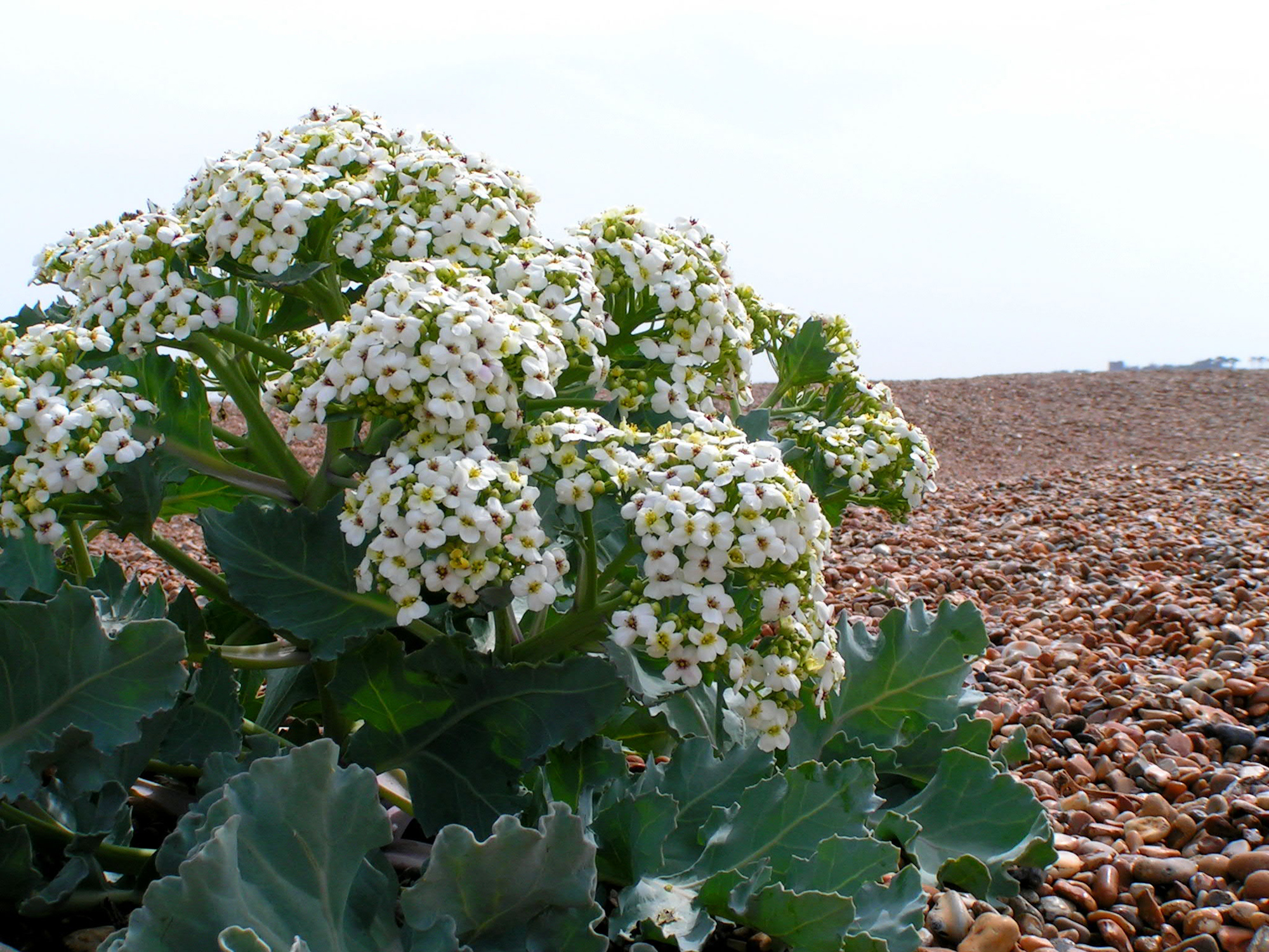
Shingle Street is famous for lurid stories about mysterious wartime fatalities on the beach, but we also had a better-documented one here last year. Our coastline is home to many rare and beautiful plants, none more striking than the Sea Kale that creates a wonderful swathe of foaming white blossoms on the shingle banks in early summer. Sea Kale is a kind of cabbage and when it emerges it looks for all the world as if the beach has suddenly sprouted gigantic cauliflowers everywhere. After Dungeness, this is one of the best places in Britain to witness this natural phenomenon. The Kale has to cope with an extreme environment, of course. It’s doused with salt spray, exposed to constant winds and parched by the sun; there’s no fresh water and almost no soil; while the shingle itself is unstable and constantly shifting. But the Sea Kale is specially adapted to cope with these testing conditions. It has very deep roots (up to two metres long) to suck up moisture and pale fleshy leaves to reduce water loss. The plant’s a survivor.
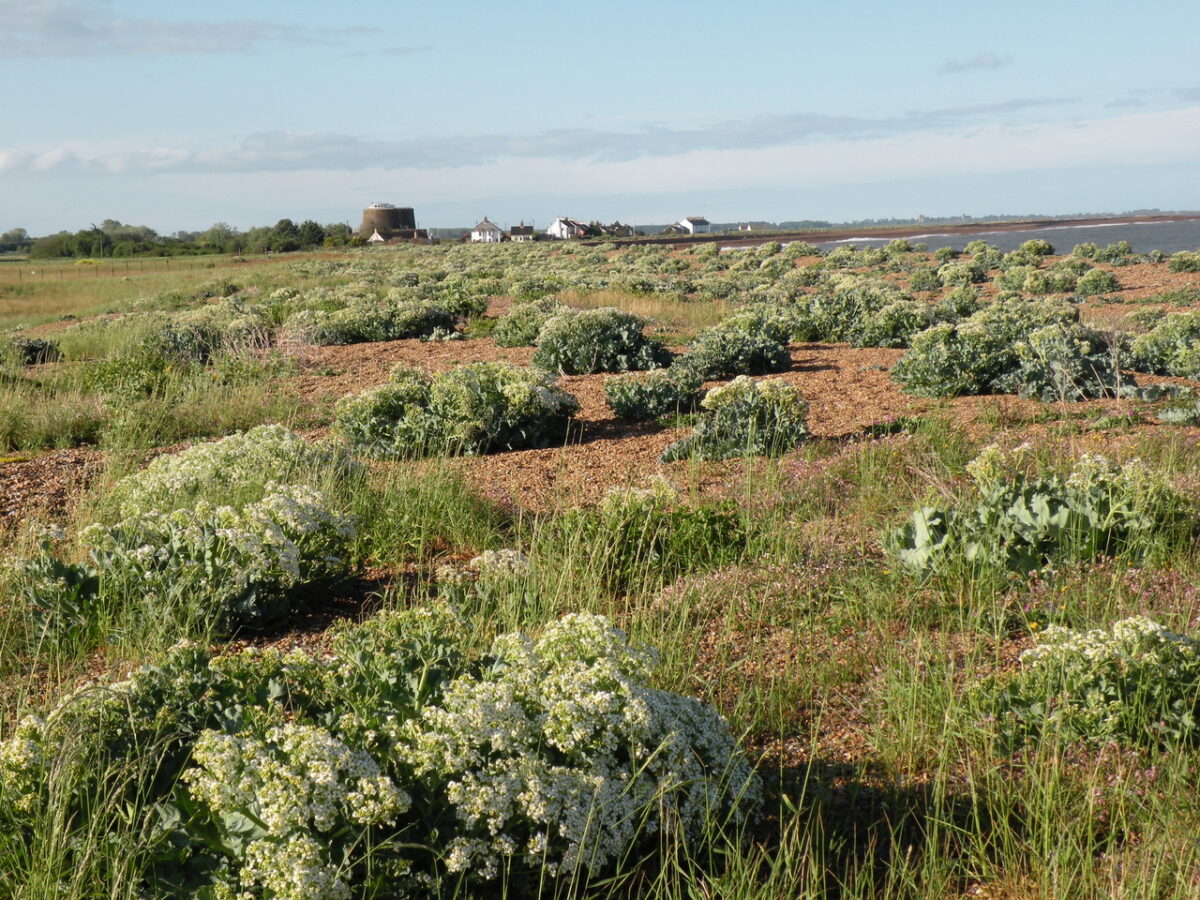
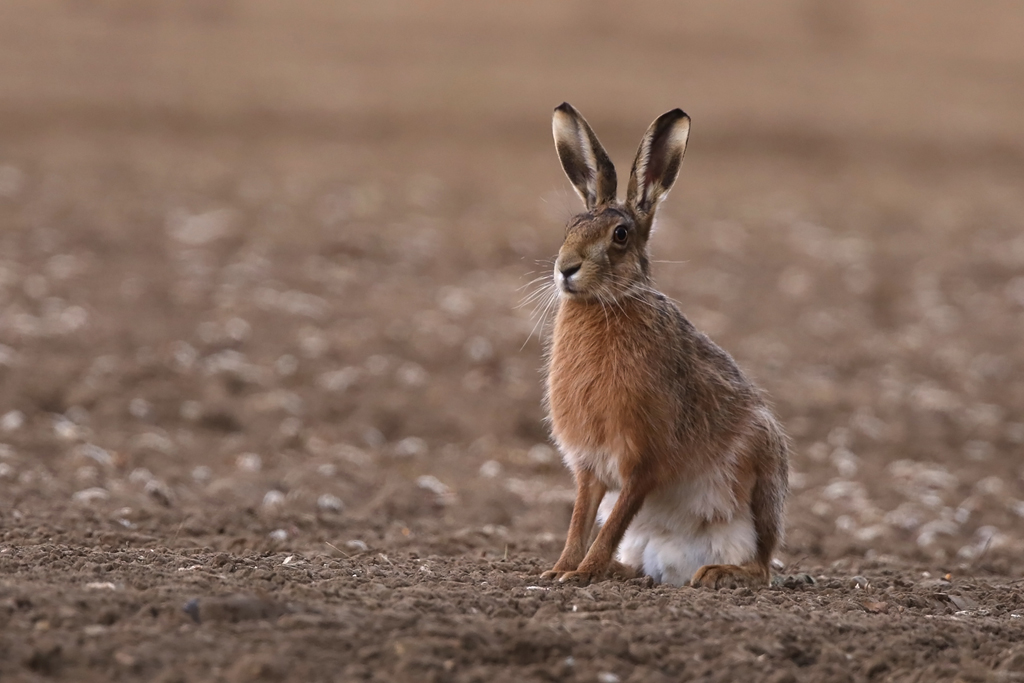
Something very strange happened last year, however. Summer came and went but the kale didn’t bloom in the stretch of shingle in front of the houses, where it has been such an annual delight to residents and visitors alike. What happened? Theories abounded. Had the plants just got too old and were declining naturally? Was it some disease? A caterpillar plague? Were they being nibbled by hares (which do visit the shingle)? Or perhaps by the flocks of wood pigeons we have everywhere now? Or even by human foragers – after all, although it’s strictly illegal now, people used to pick Sea Kale as a culinary delicacy when the plant was common back in Victorian times and it was even recommended as a tasty alternative to asparagus in Mrs Beeton’s celebrated Cookbook of 1861. But none of these theories explained why the Sea Kale should be affected like this just at Shingle Street and not along the beach from a few hundred yards south and all the way to East Lane, Bawdsey, where it was still flourishing,
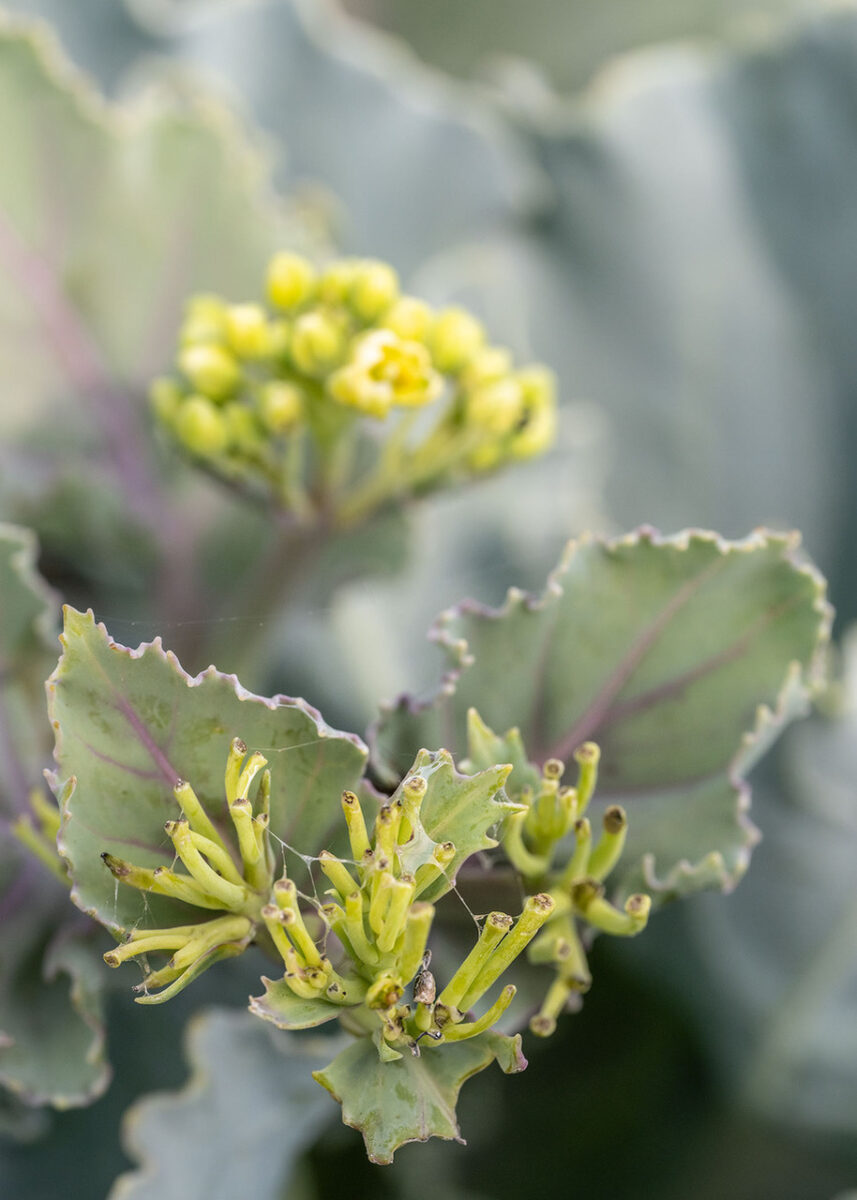
A vigilant insomniac here eventually came up with what seems to be the answer. She noticed that our resident muntjacs had started boldly browsing on the beach at night, maybe because the inland plants had been desiccated by last years’s long spring drought; and her observation was later confirmed by some close-up photos that showed the Sea Kale stalks nipped off cleanly at the top. What will happen this year? And what’s the solution? Is it a choice between cabbage and venison?
Jeremy Mynott
April 2026