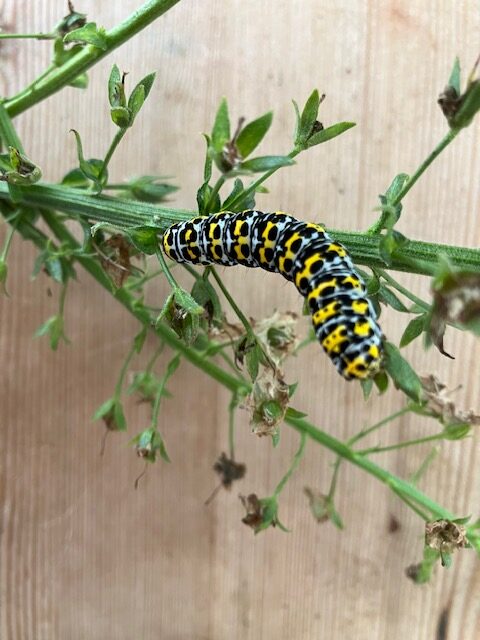
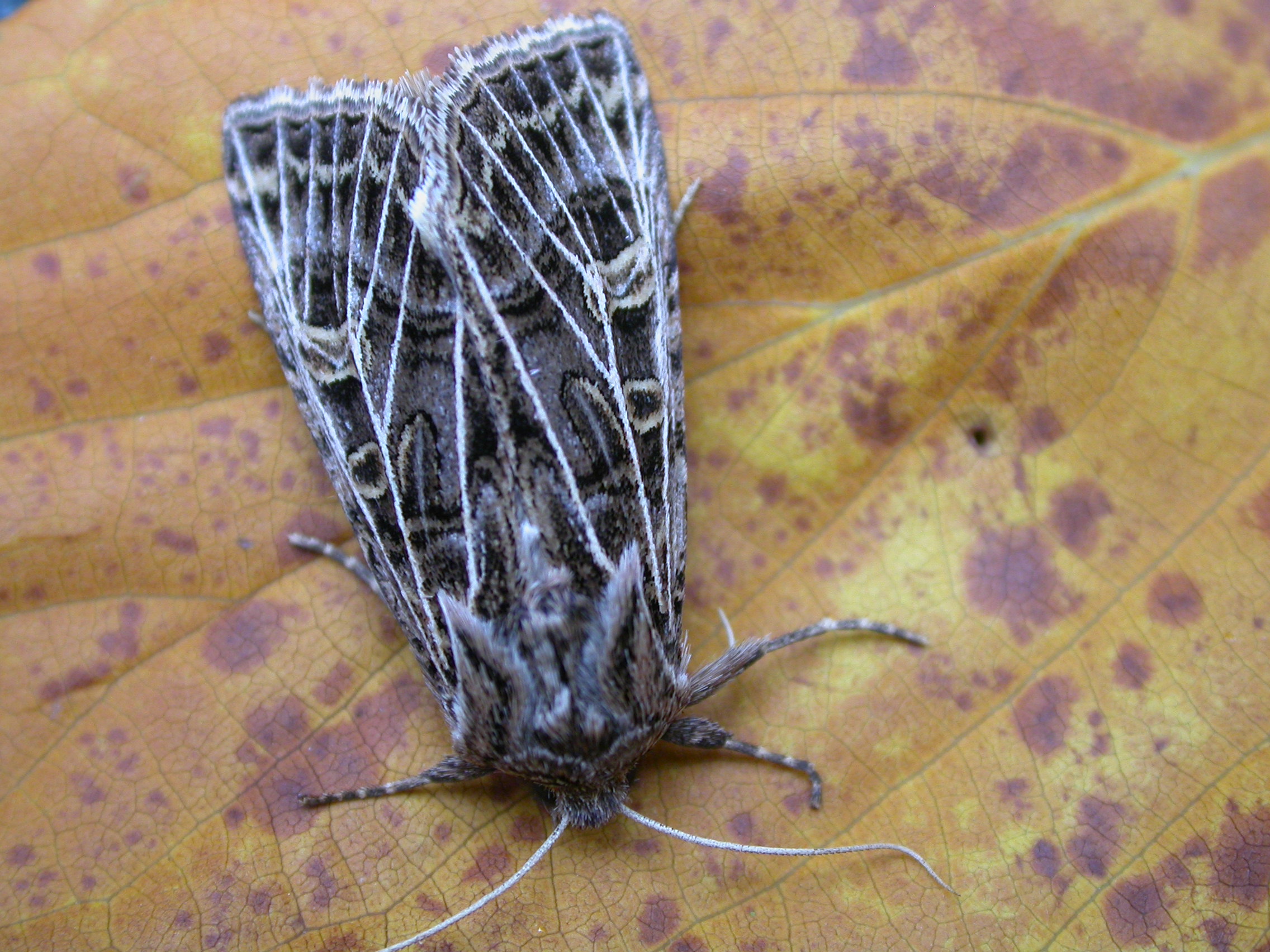
Juliet Johnson sent me this photo of a beautifully coloured caterpillar. It's so fat and bright that it must be in its final instar (stage) before pupating. It's the larva of a mullein moth – not surprising we have those here if you look at all the flowering verbascum on the commons, but this oe was feeding on figwort. Nice find.
Jeremy
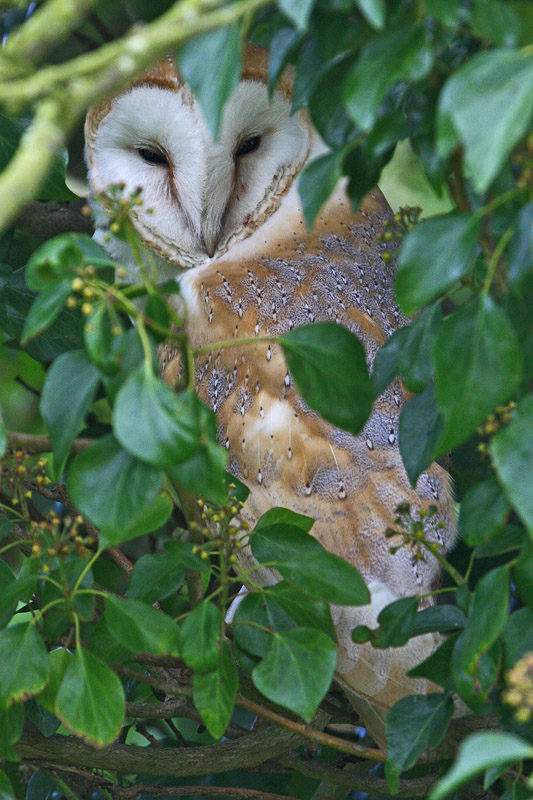
barn owl
12 Jun 2024
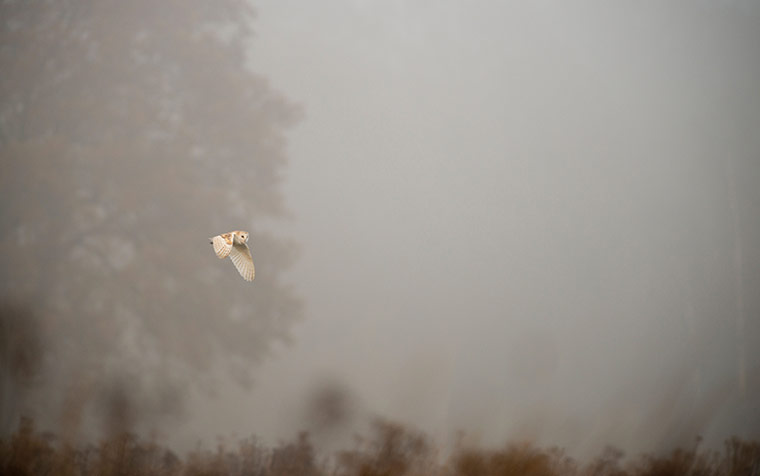
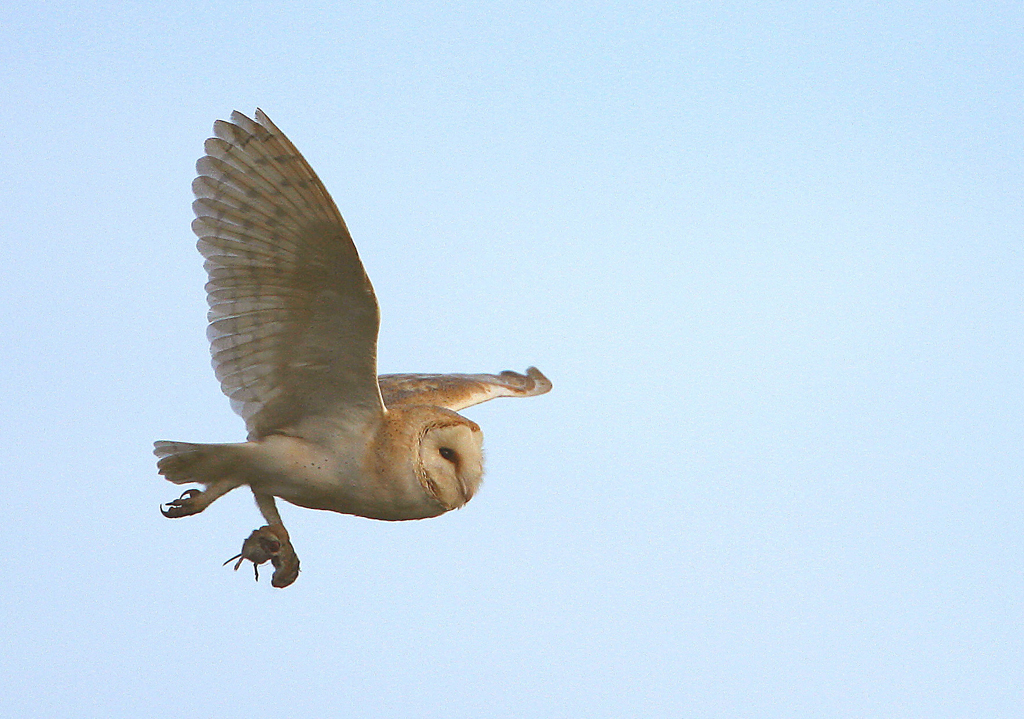
A barn owl over Shingle Marshes this evening at 9pm. Very welcome since they have been rarer than usual this year.
Jeremy
Cream-spot Tigers
27 May 2024
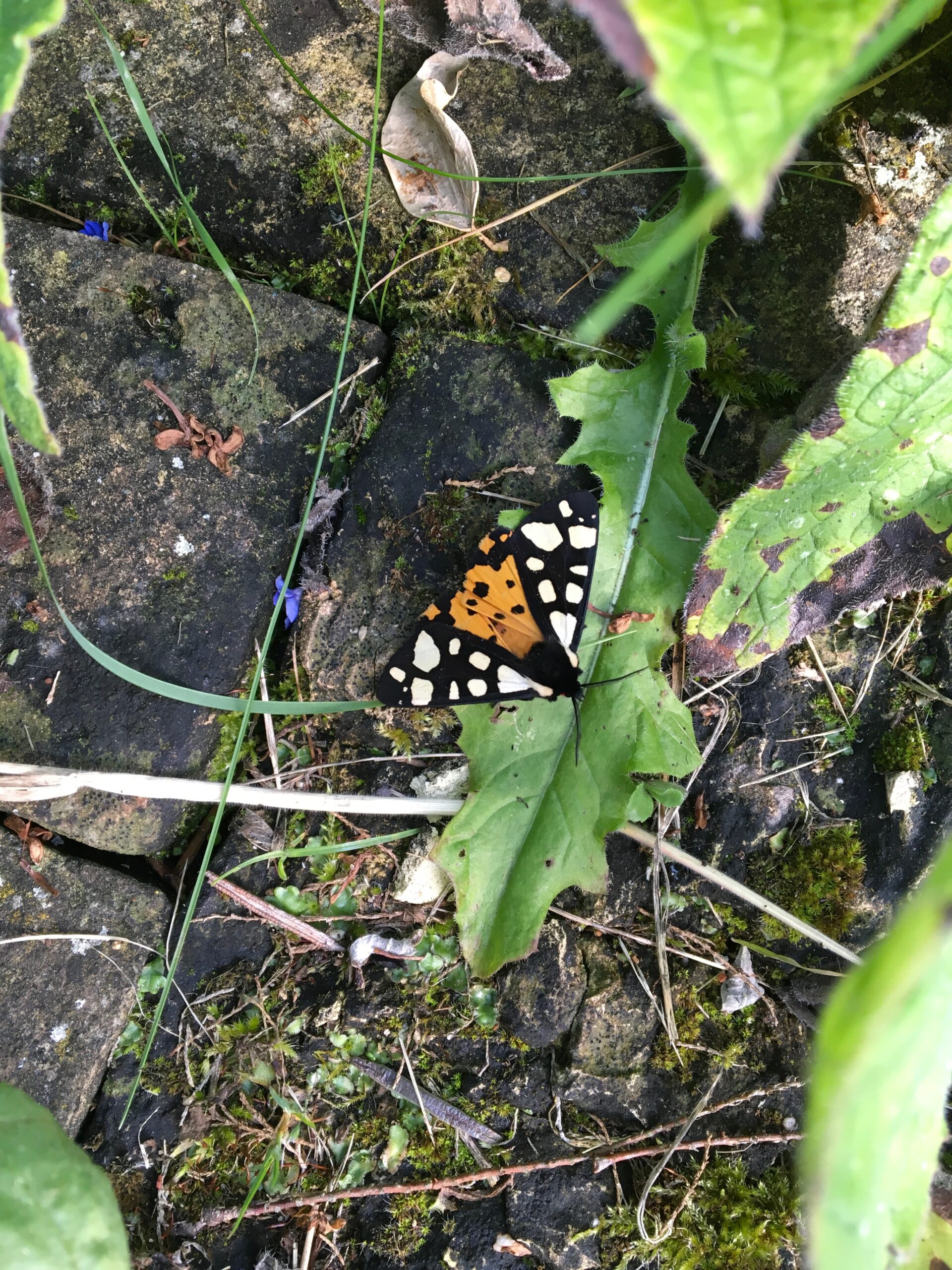
Put out my moth trap before the rains came and was amazed to get a dozen Cream-Spot Tigers, a lovely moth but one I usually get in singles. They must all have just emerged. Later we will be getting Garden Tigers too, even more colourful if that' s possible.
Jeremy
Stonechats
23 May 2024
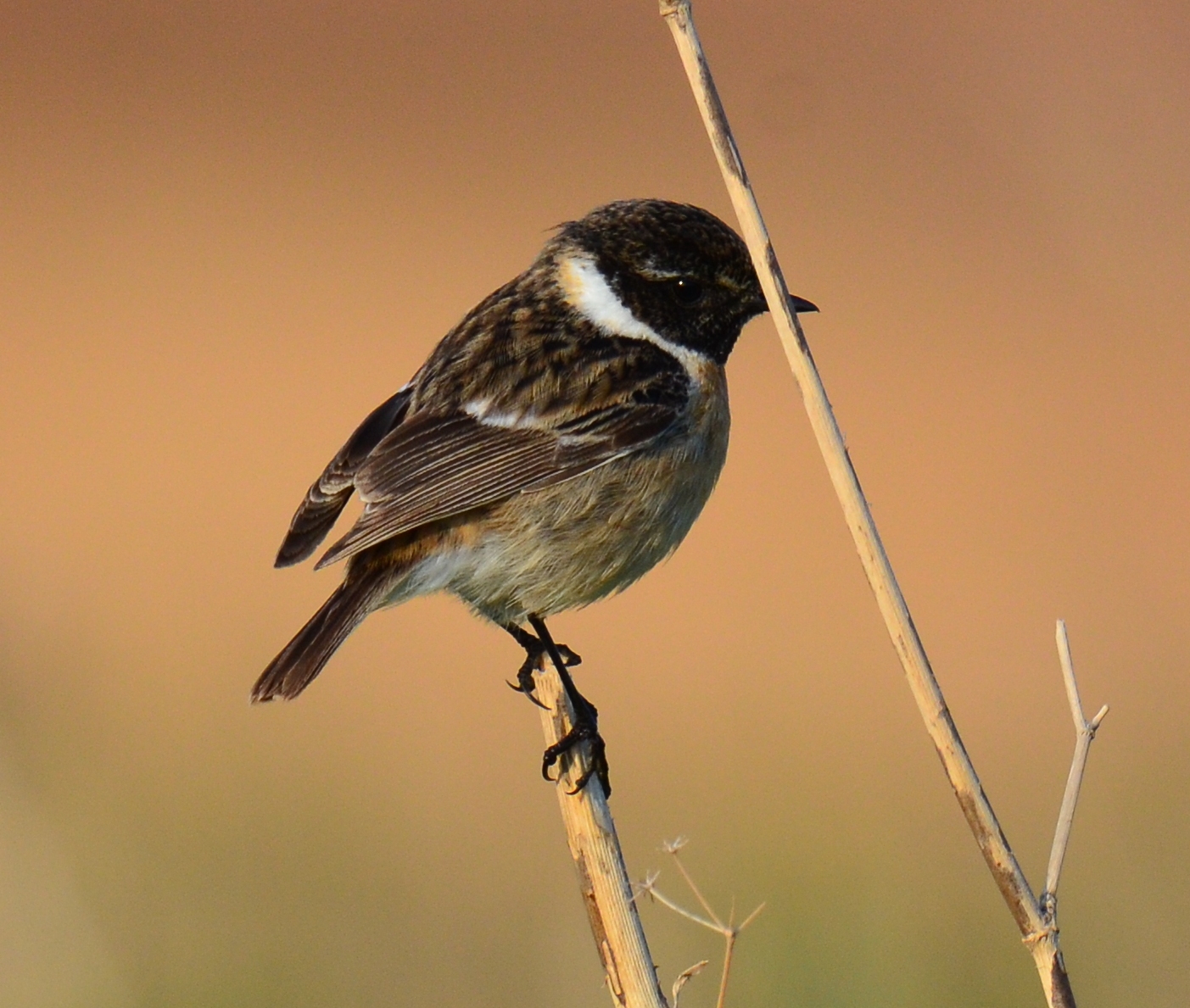
We are doing well with the resident stonechats this year. I think we may have three paris. Theeasiest to see are those by the tennis courts, often sitting uo nicely on a tall stem. The name? Their call is just like someone clicking two stones together.
Jeremy
Light-brown apple moth
24 May 2024
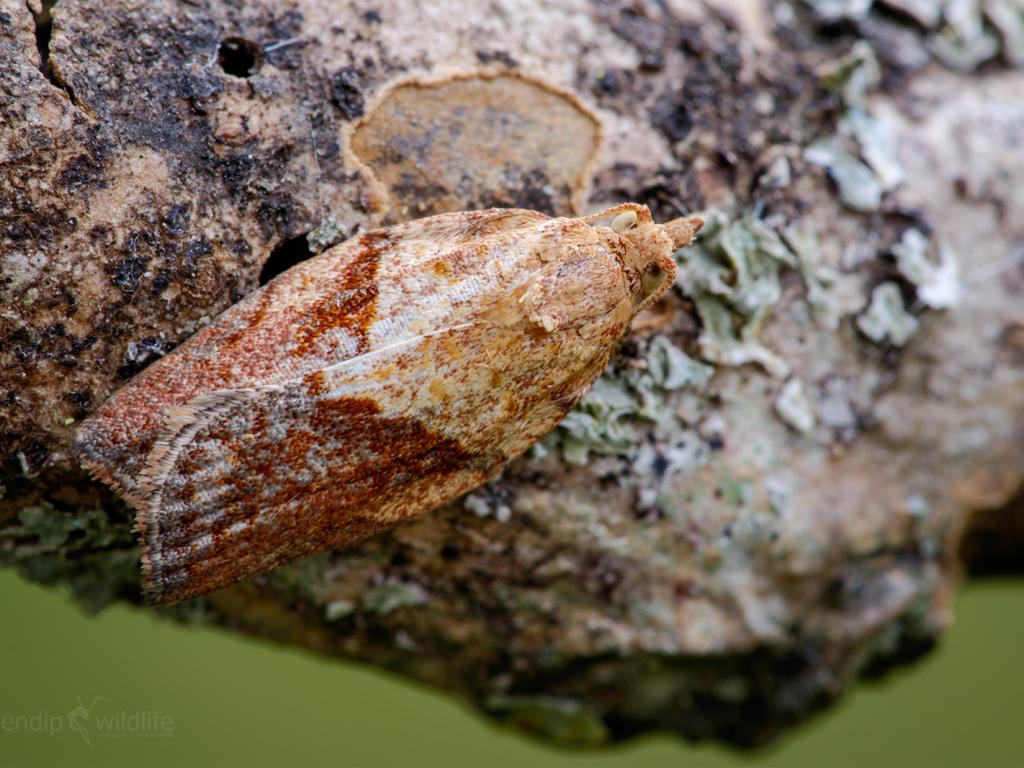
A late evening stroll reveals lots of tiny moths fluttering in the grasslands. They are usually known by experts by their scientific name Epiphyas postvittana but it's easier to remember the vernacular 'light-brown apple moth'. Only about a quarter of an inch long they are regarded as something of a pest by fruit growers but their gentle flutterings have a certain charm and mark the transition from day to night.
Jeremy
Short-eared owls
16 May 2024
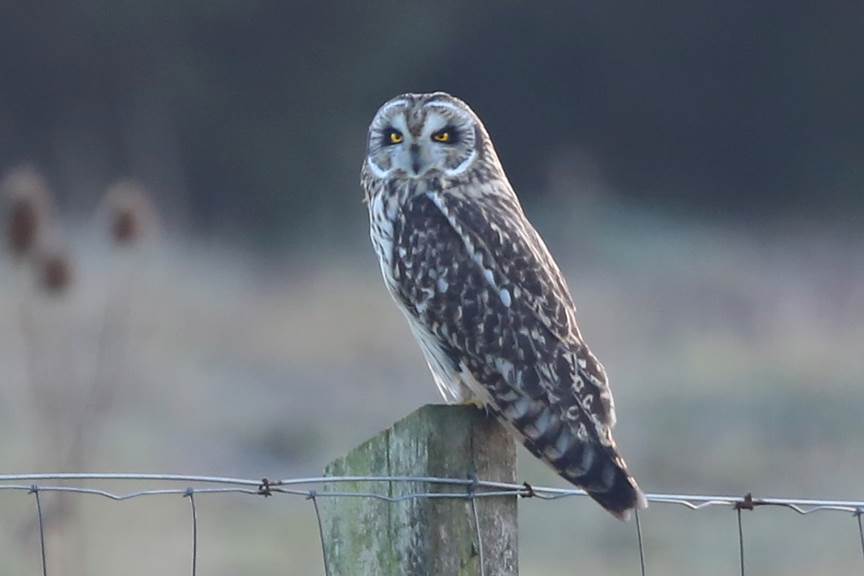
These charismatic owls are winter migrants here from Scandinavia, usually arriving in October and leaving by March, but this yera two or three of them hung on into May, arousing much speculation whether they might even stay to nest somewhere like Orford Ness. The bird photographers seem never to be sated in getting better or closer images, but please don't enter private land.
Jeremy
Silver-Y
15 May 2024
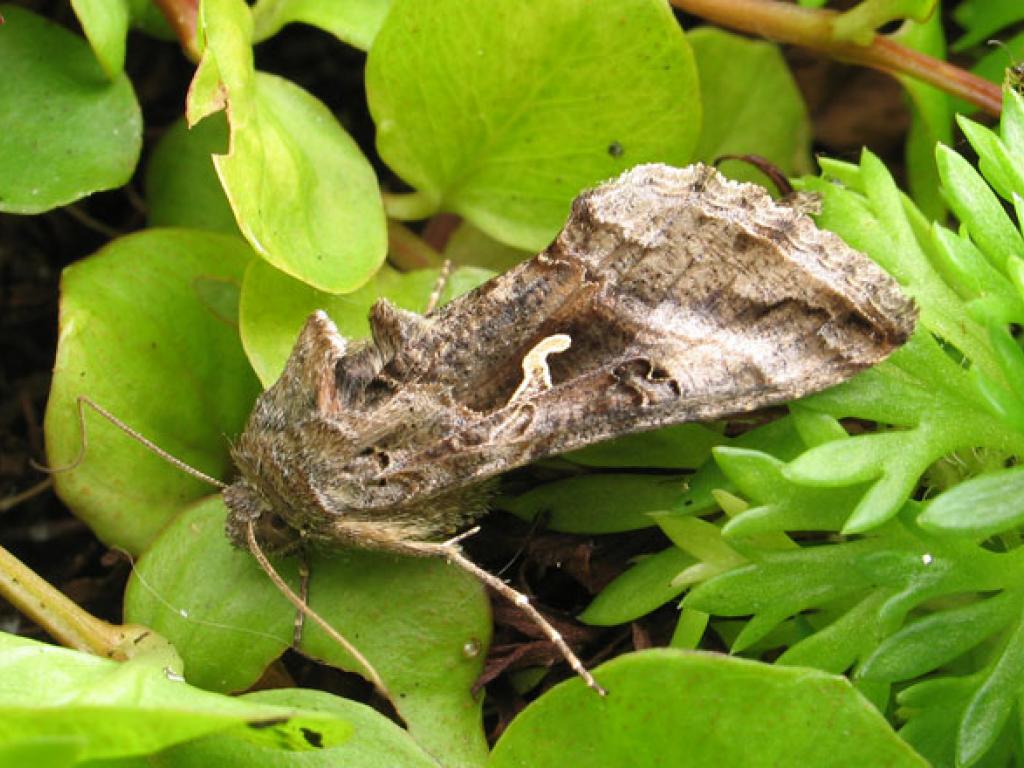
Silver-Y moths are summer immigrants here and there was a massive arrival on 15 May, over a hundred in our front garden alone and many thousands along the sea walls. Easyy to identy them by the striking 'Y' mark on the wing.
Next day they had all dispersed.
Jeremy
Whitethroats
10 May 2024
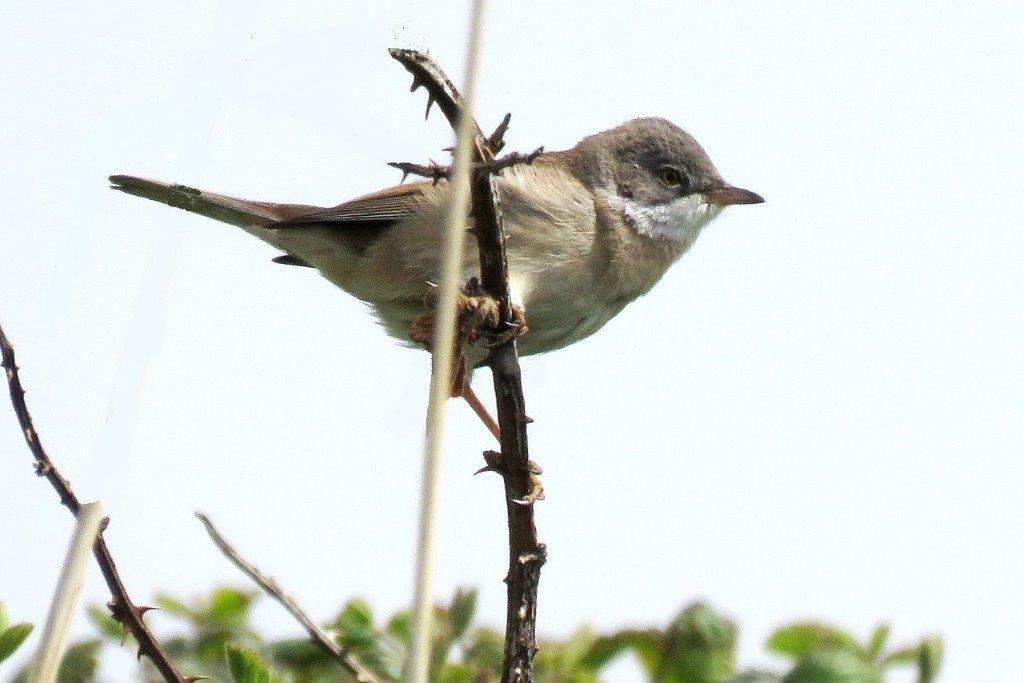
Privileged to have both whitethroats (Common and Lesser) singing from my back-garden. The latter was rare here last year so it's particularly welcome to witness its return. Its song is a rather tunelss, repetitive rattle, but I haven't tired of it ... yet.
Jeremy
Village Voices Nature Note: Master-builders
Who are the world’s greatest architects? You might nominate the builders of such iconic ancient structures as the Great Pyramid of Giza, the Taj Mahal and the Parthenon, or perhaps modern celebrity-architects like Le Corbusier, Norman Foster and Frank Gehry conjuring up their breath-taking confections of steel and glass. All extraordinary feats of engineering and imagination on a massive scale.
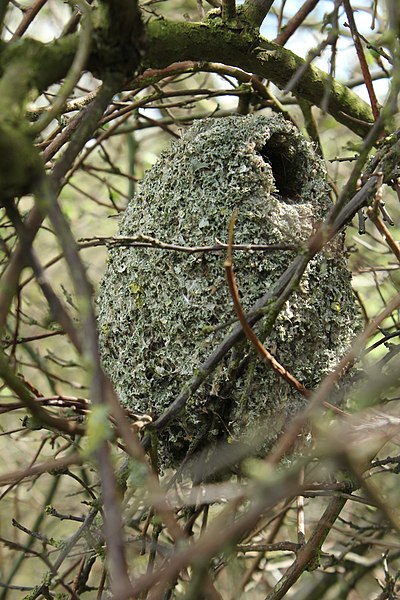
I’d nominate a bird, though. Quite a common one, and very small –weighing just ten grams (about the weight of two sheets of A4) and only 14cm long (of which more than half is its tail). There’s the clue: a long-tailed tit. You can often see loose parties of them in winter flitting through the hedges and trees to work the vegetation for tiny insects and spiders, all the while keeping contact with their family flock through soft, conversational zupp calls and little trills. They are becoming common garden birds too, clustering round the bird-feeder like a fluffy feathered jacket. Their nests are usually very well concealed, deep in blackthorn or hawthorn hedges to protect them from predators, but if you ever come across one it is a thing of great beauty. They construct them from the finest materials – mosses, lichens and feathers (some 1,500 of them in a single nest), all bound together and secured by filigree strands of spiders’ silk. Just imagine sewing with thread from a spider’s web – and using only your mouth. The nest is designed in the form of a perfect oval-shaped dome, with a small entrance hole near the top. It has to satisfy the most stringent building regulations: well insulated enough to maintain a constant temperature for the eggs and young; porous enough to keep the air fresh; capacious and strong enough to hold the female brooding a clutch up to twelve eggs for a fortnight; and then flexible enough to later accommodate the bare, struggling nestlings as they take about another fortnight to grow and fledge. All this done from instinct and at high speed, with no construction manuals, consultants, specialist assistance or tools.
A long-tailed tit’s nest.
No wonder some of the old country names for the long-tailed tit reflect this remarkable architecture: bum-barrel, bush oven, hedge jug, pudding bag and jack-in-a-bottle. What is even more amazing is that the nest is only occupied for a single season and when the autumn and winter storms come it will be shredded and destroyed. It’s a work of exquisite natural art designed to fulfil its function just once and then to be replaced and newly constructed again the next year. Its only permanence comes from this annual re-creation from the template in the bird’s brain. Surely the winner!
Jeremy Mynott 2 April 2024
Village Voices Nature Note: Common Knowledge
It was once all so simple. For centuries people had a pretty good idea of what weather to expect each month and this knowledge was distilled into innumerable country sayings and poetic images. We had mad March hares, April showers, May flies, flaming June and in September we moved gently into the ’season of mists and mellow fruitfulness’. Climate change has undermined some of those familiar associations, however, with unseasonal floods, storms and rising temperatures. It has disrupted the related life-cycles of wildlife, too. Daffodils still ‘come before the swallow dares’, as Shakespeare put it, but they are now as likely to start flowering in February as in March; while the swallows will later struggle to find enough flying insects to catch.
It isn’t all change, though. There is another huge factor, as well as the average temperatures, controlling these seasonal cycles. That’s light. Sunrise and sunset times will remain the same on 1 March 2024 as they were on 1 March in Shakespeare’s day (give or take a minute or two, for tiny variations in the earth’s orbit) and many natural phenomena like bird song are governed by those triggers. The dawn chorus of birds is one of nature’s great wonders. From February onwards you can hear it slowly building, both in volume and variety, as one by one the different species join the swelling orchestra of mingled voices.
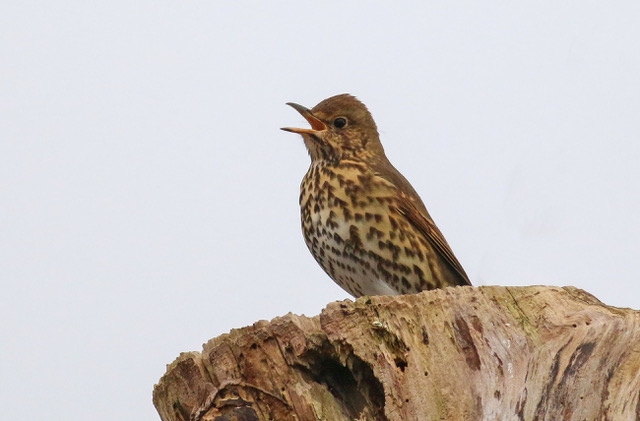
Song Thrush. Photo: Jon Heath
The first species to form the choir in February usually include the robin, wren, great tit and dunnock, supported by great spotted woodpeckers in the percussion section. But my favourite of these pioneering heralds of spring is the song thrush, ‘the throstle with his note so true’ (Shakespeare again). There is a clarity, boldness and confidence in its evangelistic mode of address – usually delivered from some prominent pulpit on a house top or tree – which immediately lifts the spirits and reassures you that, yes, the magic of another spring will soon return.
Part of its musical effect comes from the bird’s repetitions on a theme, as Robert Browning noted in his famous poem ‘Home Thoughts from Abroad’:
That’s the wise thrush; he sings each song twice over,
Lest you think he could never recapture
The first fine careless rapture.
And just as the song thrush leads the dawn chorus, so it is often the last bird singing in the corresponding dusk chorus, which is the more muted but equally moving evening performance. In his ‘Darkling Thrush’ Thomas Hardy recalls one that even in midwinter ‘flung his soul upon the growing gloom … in Joy unlimited’, as if it nursed ‘some blessed hope, whereof he knew/ And I was unaware’.