Grass starts growing again at about 10°C (50°F) and you can track the movement of that isotherm across Europe from the Mediterranean to the Arctic, a green wave travelling north at about fifty kilometres a day, bringing with it a new season of light, warmth and growth – and a feeling of renewal. Surfing that green wave are our migrant birds, and none bears a greater freight of these associations than the swallow and the swift, arriving here from southern Africa, respectively in mid-April and in early May. I eagerly look out for them at their due dates every year, usually returning faithfully to exactly the same place at the same time. And I get a fizzing shot of adrenaline when I first see and hear them back again. I’m not alone. These two species have been among our traditional spring and summer markers for centuries, welcomed back each year with relief, as the poet Ted Hughes put it, ‘that the globe’s still working’.
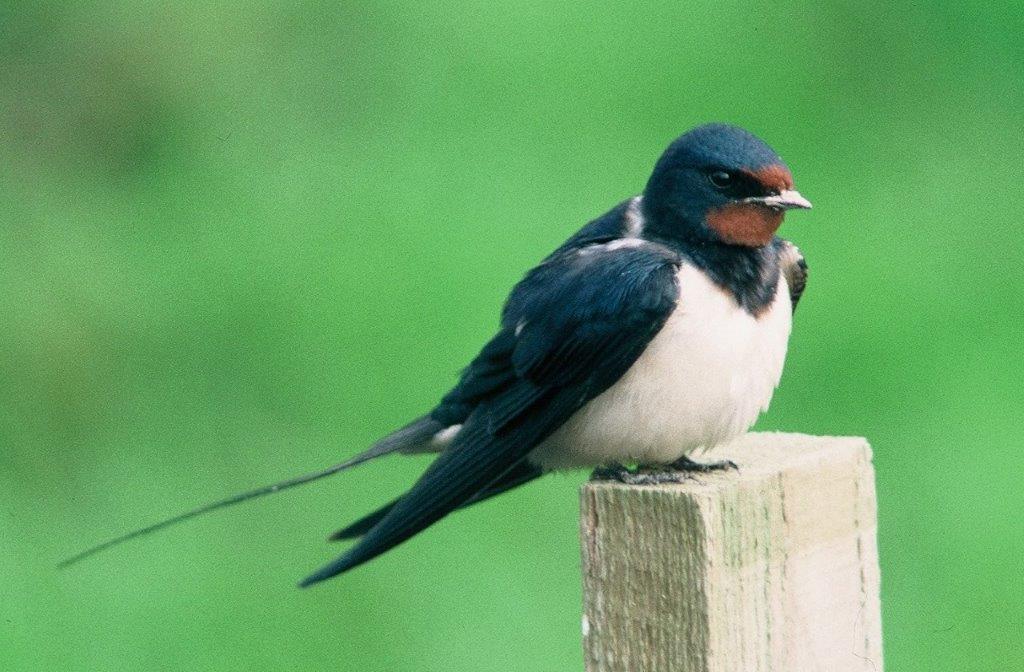
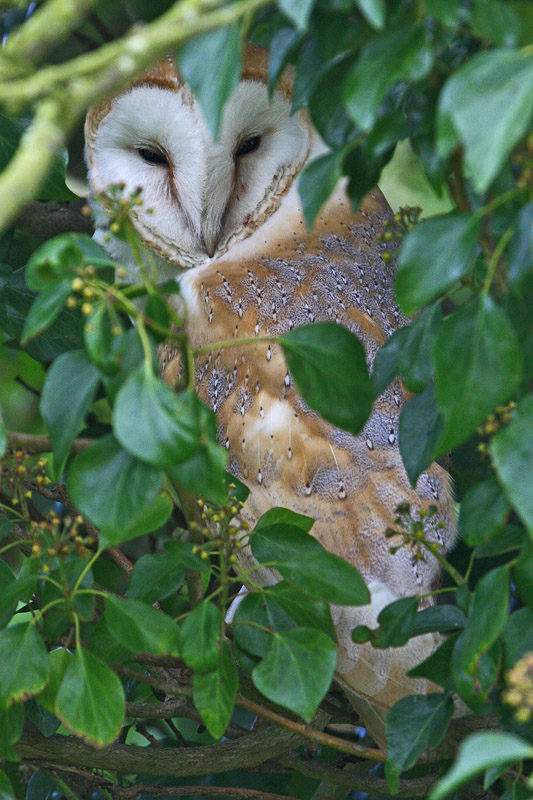
A swallow, photo: Laurie Forsyth.
Swallows and swifts were the favourite birds of the eighteenth-century naturalist Gilbert White, who inspired a new tradition in nature writing in Britain. White was an obscure country curate who lived all his life in the same house in the equally obscure village of Selborne in Hampshire (population about the same as Hollesley). But his account of the daily changes to nature in his village through the seasons, The Natural History of Selborne (1789), became one of the most widely-read books in the English language, still in print today in multiple editions. Its attraction was precisely its parochial focus, stressing the richness of the local, the particular and the familiar – or at least what you thought was familiar until you really looked at it. He urged the importance of deepening one’s knowledge instead of just extending it: ‘Men that only undertake one district are much more likely to advance natural knowledge than those that grasp at more than they can possibly be acquainted with.’ Not in favour of eco-tourism, then!
White was an amateur in its literal sense and he touched a chord with thousands of ordinary people. He also attracted the admiration of such different figures as Charles Darwin, John Constable, William Wordsworth, George Eliot and Virginia Woolf, all of whom remark on the book’sapparently artless simplicity and charm. White had effectively invented a new literary genre and so became the patron saint of today’s many nature diarists. He also kept a daily journal and one of his most striking diary entries is an ecstatic two-word exclamation on 13 April 1768, greeting the first returning swallow to Selborne by its then scientific name:
‘Hirundo domestica !!!‘ (his exclamation marks).
Jeremy Mynott April 2025
Nature Note: New Moon Bird
If asked about their favourite bird songs most people might plump for the skylark, the nightingale, the blackbird or the song thrush. But you could make a strong case for the curlew too. The name is onomatopoeic, of course, referring to its call, a clear liquid curlee, delivered with a rising inflection on the second syllable like a cursive flourish in signing off its name. The call is thrilling enough, especially when a whole flock of them takes off from the marshes in winter chorusing in unison, but the fulll song arouses an even higher level of emotional intensity. It’s a long rippling trill, choreographed in a slow descending ‘air dance’ with the wings held open and raised above the head as if in exultation. It’s a song that has moved poets to almost spiritual responses. Robert Burns wrote, ‘I never heard the solitary whistle of curlews on a summer noon without feeling an elevation of soul’; while
Ted Hughes rhapsodised, ‘Curlews in April hang their harps over the misty valleys…a wet footed god of the horizons.’ They even get a mention in one of our oldest poems, the Anglo-Saxon Seafarer, ‘I take my gladness in the… sound of the curlew instead of the laughter of men’.
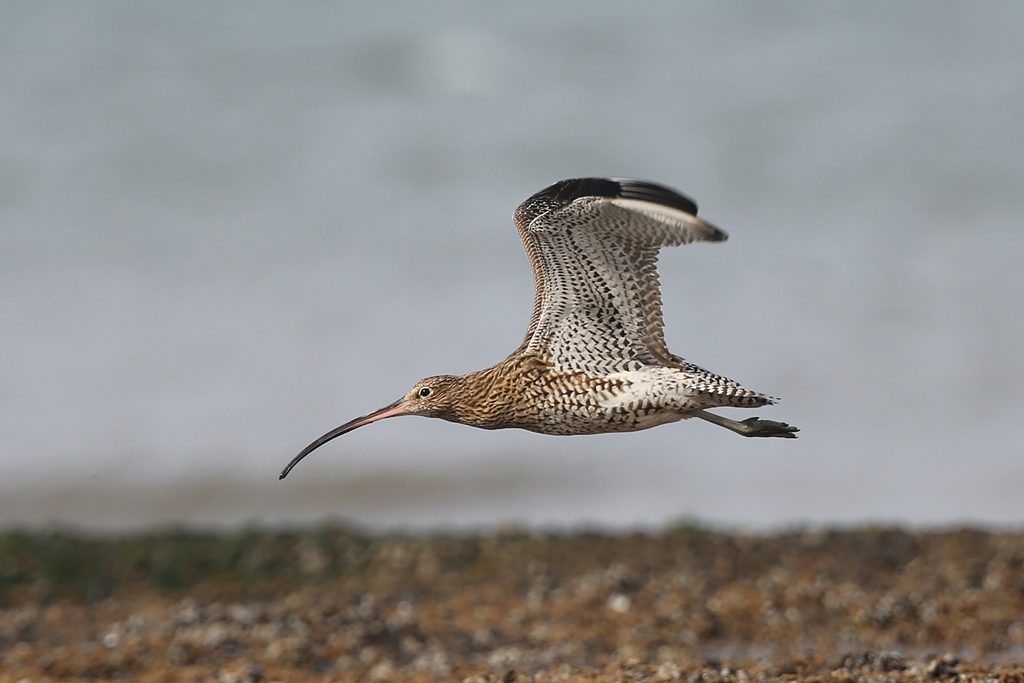
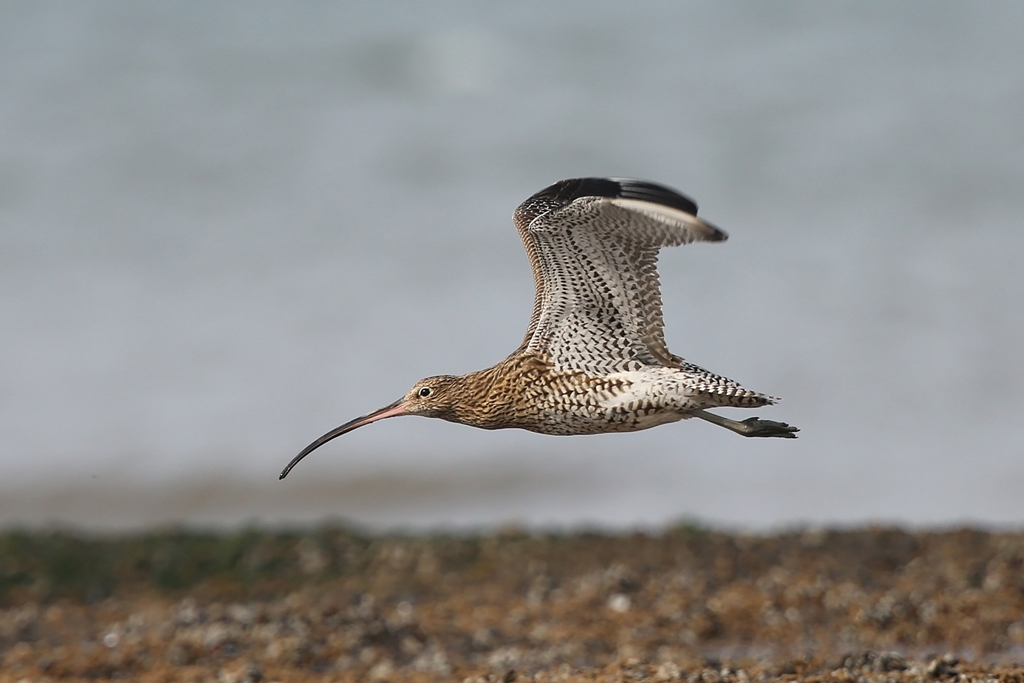
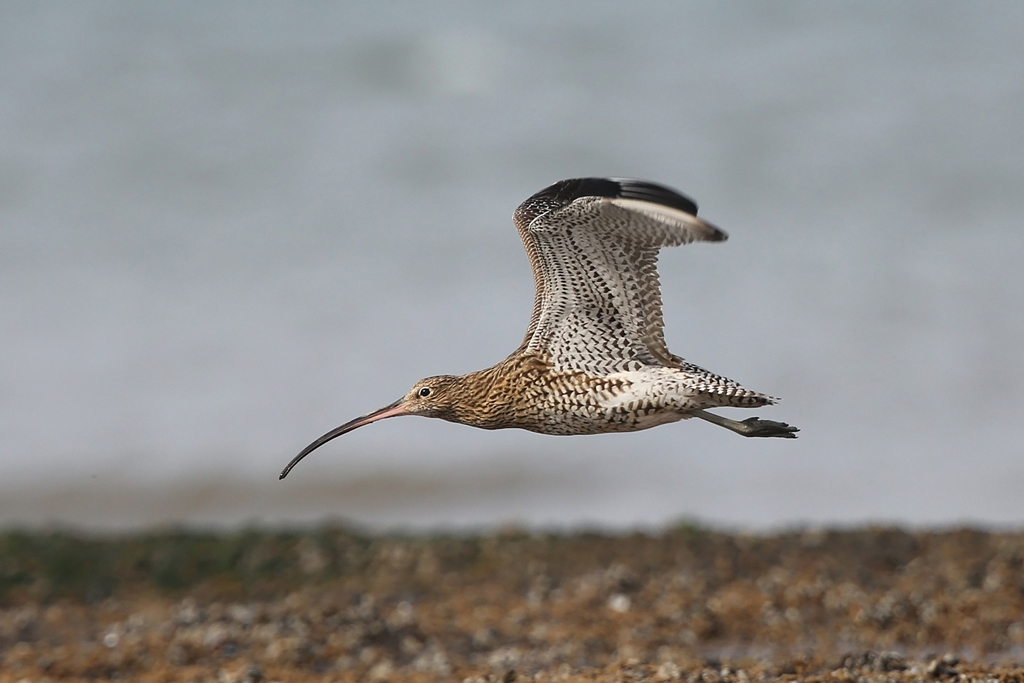
Curlew. Photo: Margaret Holland.
It’s hard to hear this song in East Anglia now, though just a few pairs are still holding out in the Brecks. You have to go to the main breeding grounds on the moors and rough pastures of northern England, Wales and Scotland, where the lonely landscapes render the song even more wild and wonderful. We still get large wintering populations of birds on our coastal marshes and estuaries, however, escaping colder temperatures in northern Europe. They are the largest of our wading birds, the females larger than the males, and they are easily identifiable not only by their voices but by the obvious physical feature of that long decurved bill. The full scientific name of the curlew is Numenius arquata and the first part of that, the generic name, means ‘shaped like the new moon’; while the second part, the specific name, just in case you hadn’t got the point, means ‘bent like a bow’. So this is the ‘new moon’ bird, an image almost as lovely as the song.
Even in their strongholds in the uplands and bogs the number of breeding curlews in Britain and Ireland is declining fast, however – from changes in land use, drainage and reforestation schemes, and predation. They have been put on the Red List of endangered species and there is an admirable charity advocating for their support (Curlew Action – check it out).
Jeremy Mynott 7 February 2015
Shingle Marsh Video
A video made by drone of the recent works digging channels and scrapes for the Shingle Marsh wilding project. Many thanks to Craig who shot the video.
Nature Note: The Raven’s Return
I walked out on one of those dark, dank January days when the countryside seemed drained of colour and was eerily silent, as if muffled by the rising mist. That made all the more dramatic the deep throbbing bass note I suddenly heard as a large dark bird flew purposefully overhead with slow, elastic wing-beats. It called again, a hollow kronk kronk – and I realized I’d just encountered a raven. And now I could also see that in silhouette the bird had the distinctive diamond shaped tail of that species and a huge dagger bill.
Ravens are the largest members of the Corvid family, much bigger than rooks or crows, and even larger than the buzzards we regularly see around now. Up to the nineteenth century ravens used to be common throughout Britain, but they were progressively hunted out in the south and east and until recently you could only see (or hear) them in the wilder parts of Wales and the West Country or in Upland Britain. Indeed, they weren’t that easy to see anywhere, having become very shy and wary of humans – as well they might be. But, like the buzzards, they are now making a comeback and are spreading eastwards again. They’ve been breeding here in Suffolk since 2018 and seem to be re-establishing themselves.
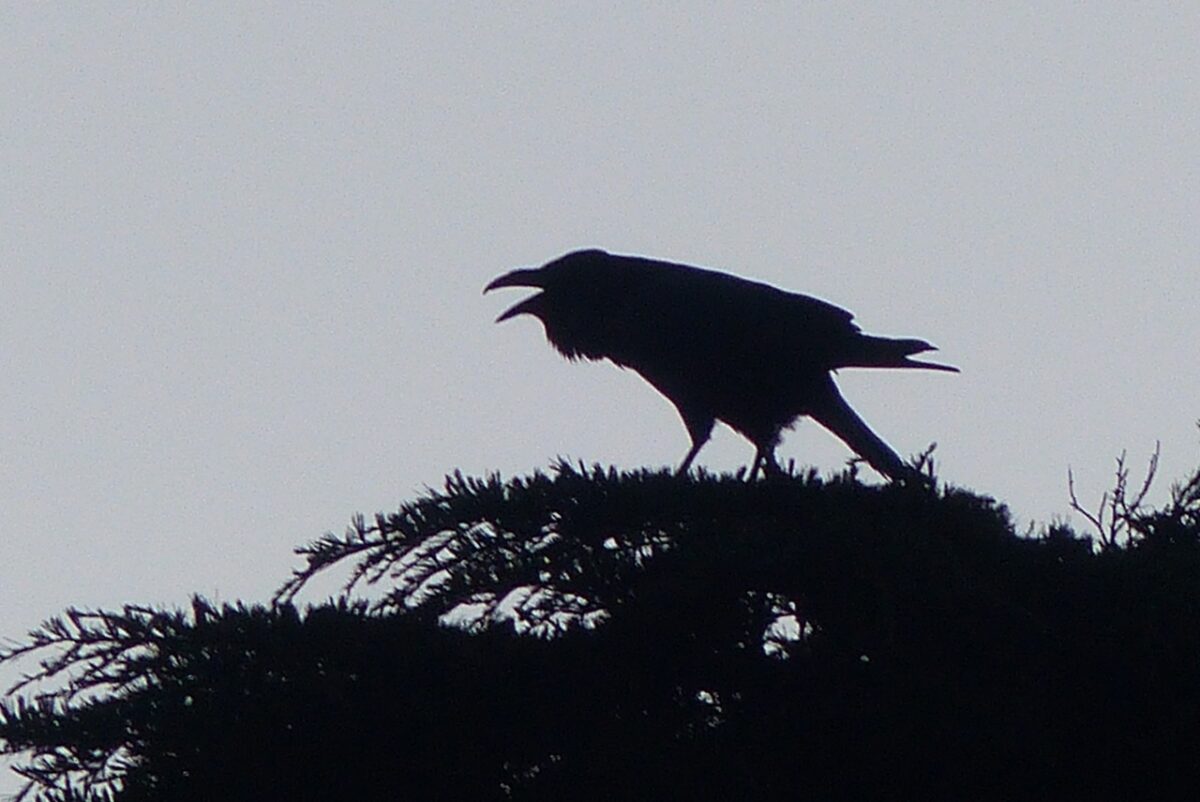
A raven. Photo: Jenny Desoutter
Ravens are basically carrion-eaters – hence that meat-cleaver bill and their sinister associations with death and disaster. Ravens were a familiar sight on battlefields and used to follow armies to feast on the corpses slain in battle, not just in the ancient world but up to at least the time of the Wars of the Roses in the fifteenth century. From this it was an easy step to imagine them as prophets of doom, and maybe that’s why the collective noun for them is ‘an unkindness of ravens’. Ravens could be good omens as well as bad, however. We all know the legend that if the famous ravens long resident in the Tower of London should ever forsake it the kingdom would fall. It turns out, though, that there is no real evidence that ravens were kept there until the 1880s, when the story first appeared in a children’s book.
Myths can be manipulated as well as manufactured, of course. During the Second World War all the Tower birds except one, who was rather sweetly called Pauline, were killed in the bombing raids and their aftermath. So, on Churchill’s instructions the keepers secretly brought in some new ones to keep up the national morale. A patriotic deception.
Anyway, I’ll settle for my raven being a good omen and a welcome return of a native.
Jeremy Mynott 10 January 2025
first visitors
12 Dec 2024
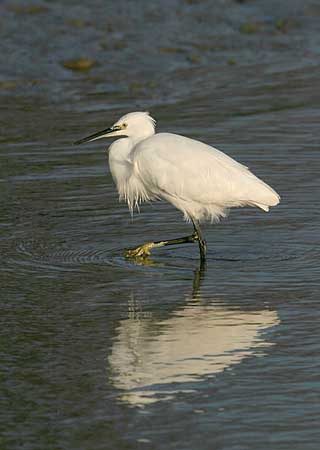
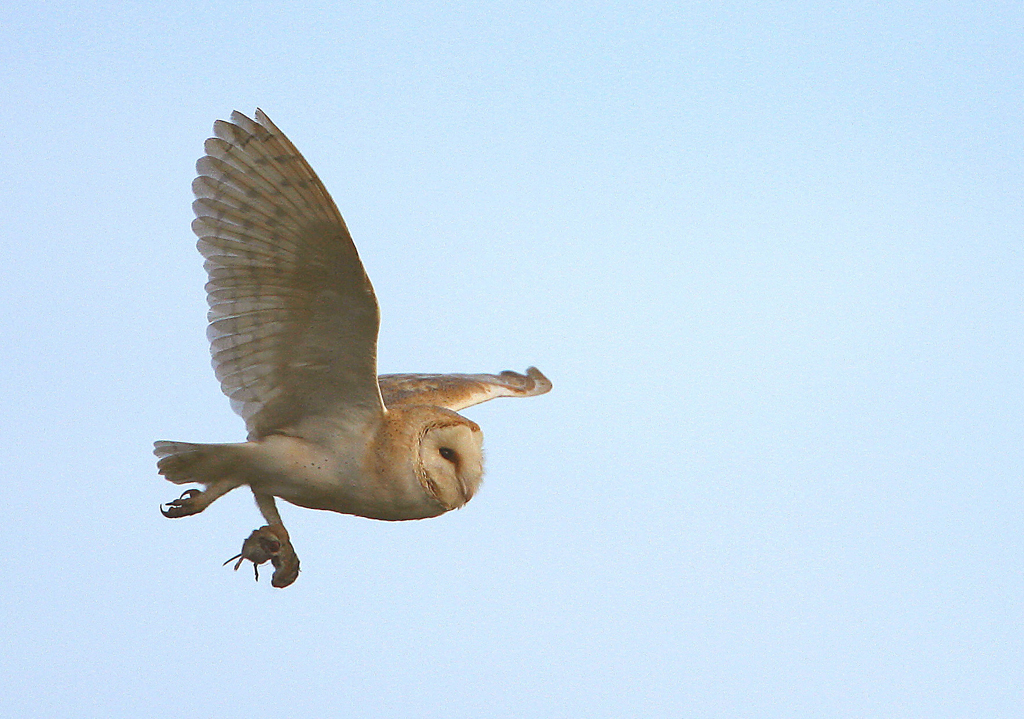
The channels are dug and the scrape nearly finished. On a quick walk round there was a little egret in one of the new channels, a party of about ten pied wagtails around the newly dug scrape and a common snips shot up from the reeds. All the while a barn owl was patrolling the ditch. Very promising!
Jeremy
Nature Note: Martha’s month
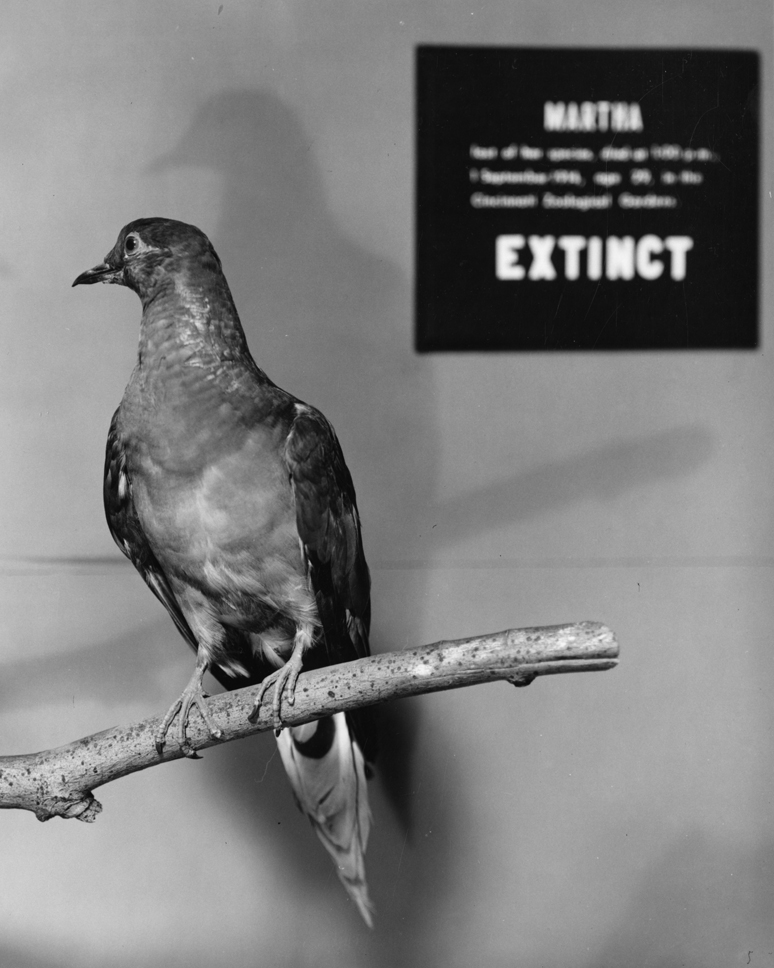
Here’s a little quiz question. Which famous Martha died in September 1914? One clue: she was called Martha after George Washington’s wife. Here’s another: fifty years before her death there were 10 billion others like her. Final clue: she was the last of her kind. Answer: Martha was the last ever Passenger Pigeon, once the most numerous bird on earth, and she died at 12 noon on 1 September 1914 in the Cincinnati Zoo, Ohio. It’s the best-recorded extinction in history, and perhaps the most extraordinary. Up to the mid-nineteenth century huge flocks of these birds darkened the skies of America. We hear of one in 1813 so vast that it spread from horizon to horizon and took three days to pass over. Yet in a few decades the bird was no more. What could have happened?
The main cause was simple in fact. The immigrants from Europe had poured into America and spread west, dispossessing the native Indians, clearing the land and destroying the forests as they went. The pigeons were wholly dependent on these forests for food and nesting sites. They were also easy to hunt and their flesh was both a staple diet for the settlers and a valuable export, so they were slaughtered on an industrial scale. In the killing season extra trains were put on to convey thousands of barrels of pigeon bodies east to cities like Chicago, Philadelphia, New York and Boston.
Martha the Passenger Pigeon. Photo courtesy The Smithsonian.
The name ‘passenger pigeon’ isn’t a macabre reference to these train journeys, but probably derives from the French pigeon de passage or some equivalent Indian name. This was a permanently mobile species, moving on restlessly until they literally ran out of forest. It should really have been called the ‘wandering pigeon’ or ‘peregrine pigeon’.
This isn’t the only extinction of a charismatic bird, of course. Think of the great auk, last recorded in Britain in St Kilda in 1840 and killed by fishermen who were terrified by its unearthly shrieking and clubbed it to death, thinking it a witch. Or the dodo, which has entered our language as the very symbol of extinction, ‘dead as a dodo’. That was a sort of giant pigeon, too, in fact. The last of them died in 1662 in Mauritius – a fat, clumsy and trusting bird which was butchered by sailors grateful for an easy meal.
It couldn’t happen again, could it? But when did you last see or hear the British cousin of the passenger pigeon, the turtle dove? That used to be the soundtrack of summer with its gentle purring song. They were common here once, but I didn’t hear one anywhere this year, or last …
Jeremy Mynott 3 September 2024
Nature Note: Slowly does it …
Dinosaurs are wildly popular, especially with children. Think of all those films, books, cartoons and soft toys. Is it because they belong to a world long past, full of extraordinary creatures we shall never see again? At any rate, the attraction doesn’t seem to extend to their modern-day descendants in the same family – crocodiles, snakes, lizards and iguanas. ‘Ugh, reptiles – slithery, dangerous creatures, more horror film material than Disney!’ Well, that’s partly right since they are indeed slithery – the word ‘reptile’ means ‘creeping thing’ but in Britain, at least, only one of them (the adder) is at all poisonous, while the others are entirely benign and all of them are interesting.
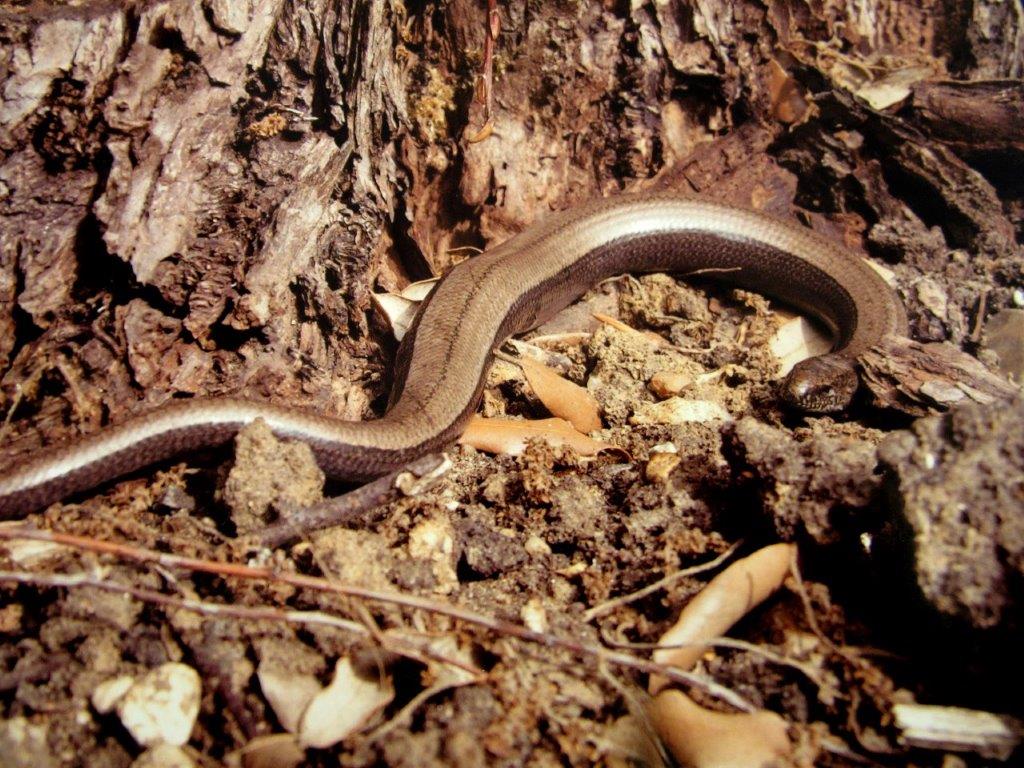
We have six species of reptiles in this country – so there’s a quiz question, can you name all six? They comprise three snakes, two lizards and one other that looks somewhat like a snake but is actually a legless lizard – a slow worm. You can tell a slow worm from a snake since it has eyelids and can blink. It also has a much smoother skin, in which the scales are not overlapping and don’t feel rough to the touch. Finally, slow worms have no separate ‘neck’ so do indeed look like a very long worm.
A slow worm. Photo: Laurie Forsyth
There have always been popular misconceptions about slow worms. Shakespeare usually gets his wildlife references right but in Macbeth he has the witches casting a ‘blind worm’s sting’ into their toxic brew, a double error since they are neither blind nor do they sting. They do have one unusual anatomical feature, however, which accounts for their scientific name fragilis. They have various natural enemies like hedgehogs, badgers, magpies and domestic cats and have evolved a trick whereby if the would-be predator grabs them by the tail they can detach these and leave their captors grasping just this bony appendage – still wriggling independently. If they survive all these hazards, slow worms can live to a great age – over 50 years has been recorded. They also enjoy an impressive sex life, in which a couple can be entwined together mating in leisurely fashion for some ten hours at a stretch, so to speak.
Slow worms used to be quite common round here, and were welcome garden visitors, feeding on slugs and snails and living unobtrusively in damp corners and under compost heaps, but their numbers have declined sharply in recent years. Help may be at hand, however. A local developer needs to relocate some from a building site before he can get permission to proceed and we’ve made a bid for them. So there could be some coming your way, slowly of course.
Jeremy Mynott 6th August 2024
Dusky sallow
12 Jul 2024
I did a moth trapping overnight – the first time for quite a while since it has just been too wet and windy.
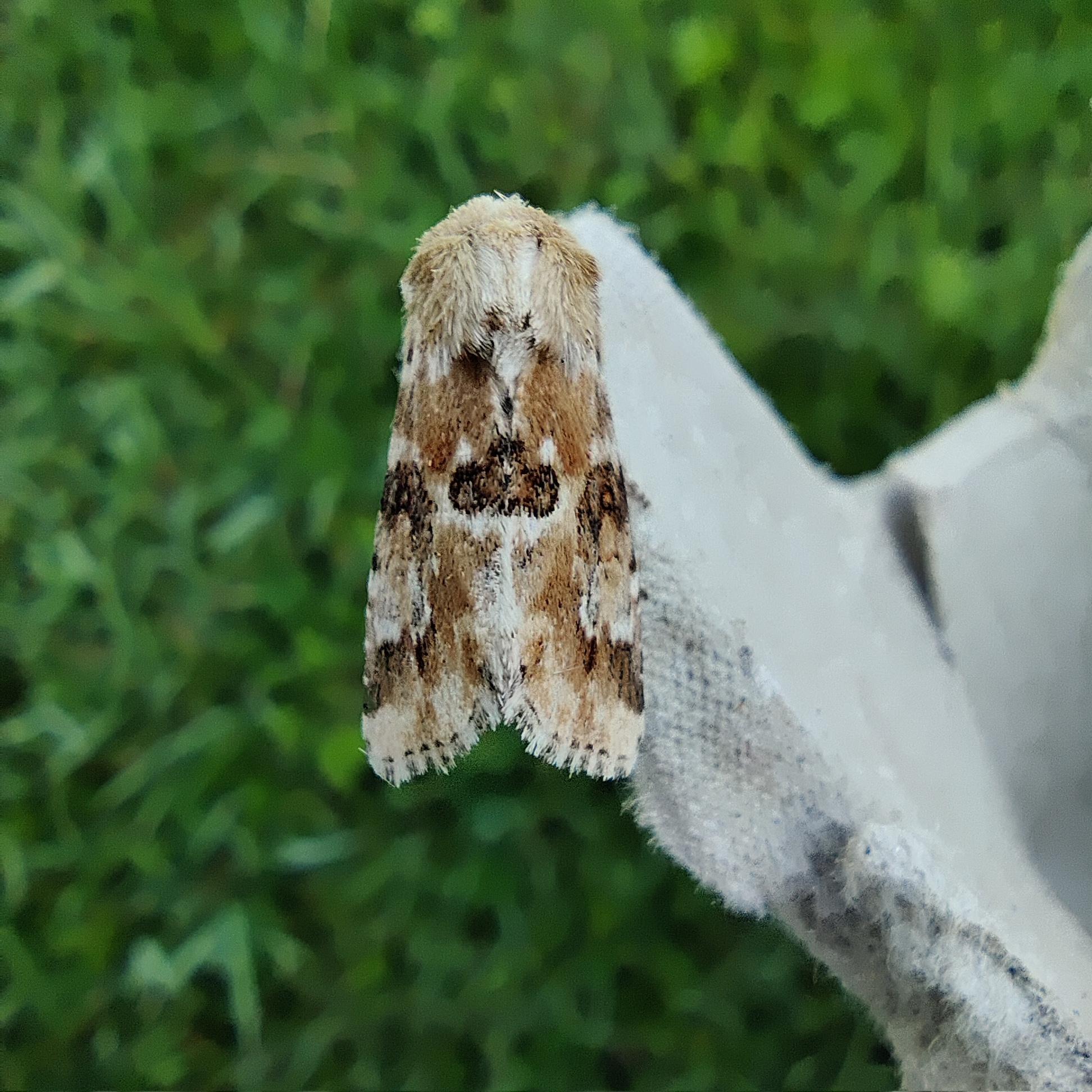
It was quite a good catch but one surprising (alarming) feature was the appearance of five dusky sallows, usually thought of as an 'autumn' moth.
Jeremy
curlews
10 Jul 2024
25 curlews on the mown Oxley Dairy field – start of autumn passage?
Jeremy
Nature Note: Survival Scales
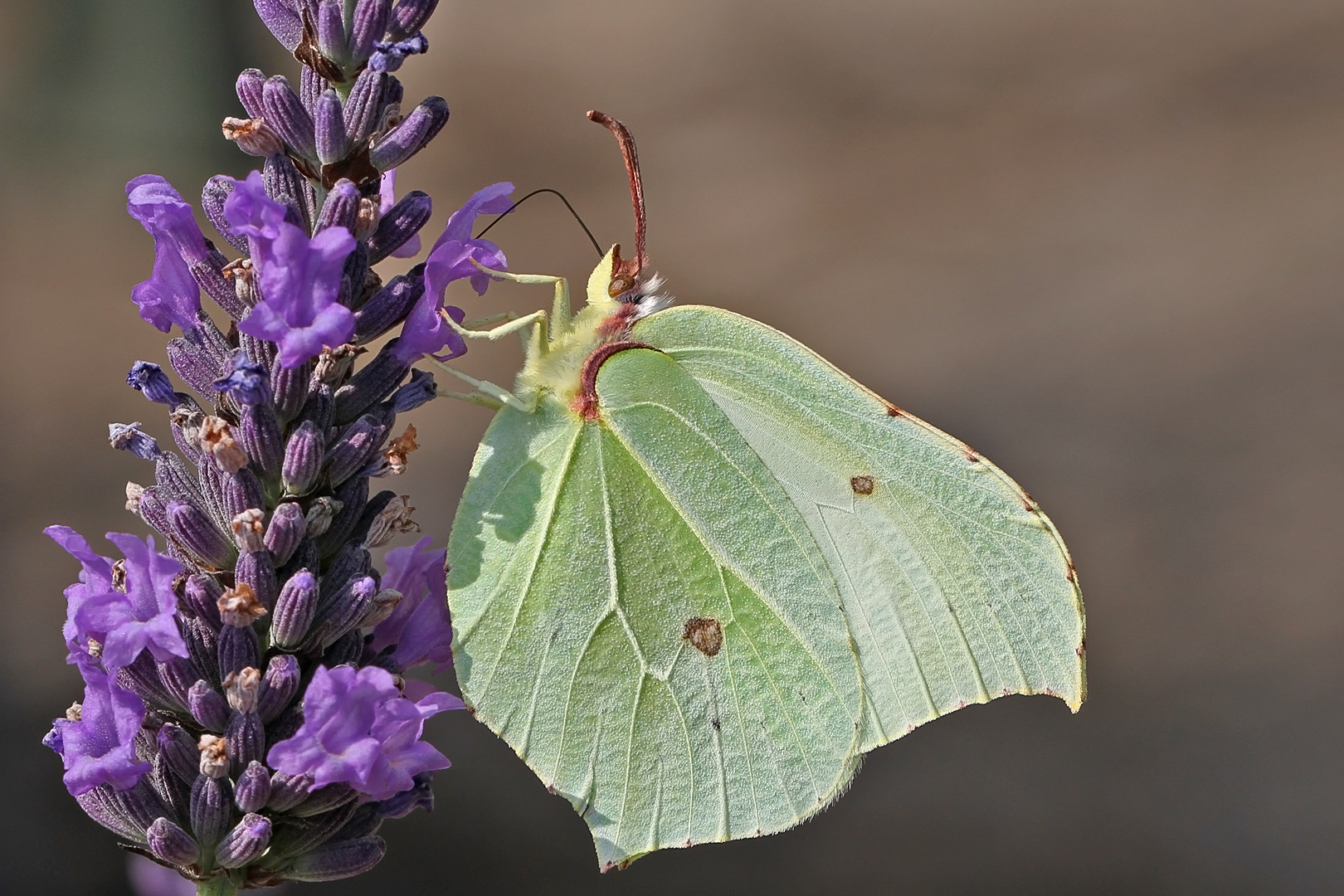
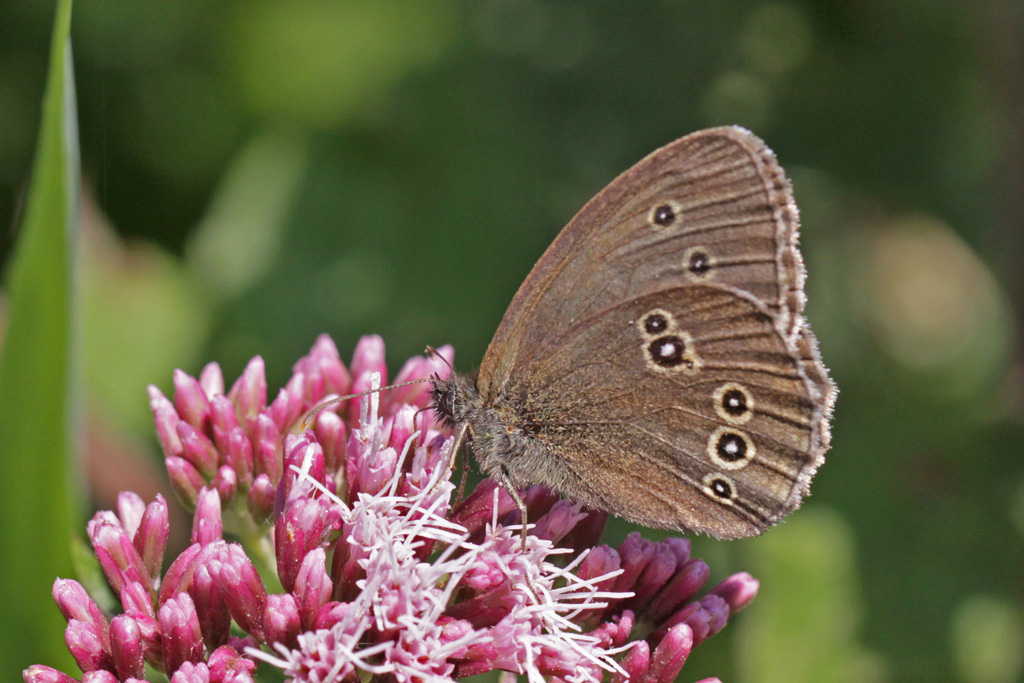
July is usually a quiet time for birds but it’s often the best month of the year to see butterflies, emerging to drink in nectar from the summer flowers. This year, however, we’ve had such disturbed weather with these heavy rains and squally winds that many things have been knocked out of kilter. Knocked out of the sky, too, in the case of butterflies, many of which are just venturing out for the first time in all their fragile beauty. Imagine how vulnerable they are if caught in a downpour, with huge raindrops exploding on and around them like shells. In fact, they dive for cover in a shower, just as we do. They usually hide under nature’s own umbrellas, clinging to the underside of leaves and using the clever waterproofing on their scales, like the overlapping tiles on a roof, to shed stray droplets from those delicate wings.
These scales are one of the distinguishing features of the larger grouping of both moths and butterflies called Lepidoptera, literally ‘winged with scales’. The thousands of scales on a butterfly’s wing are a wonderful piece of micro-engineering. They act as tiny reflectors, which bounce the light off to create those shining colours, and they are also subtly ridged to serve as gutters, funnelling moisture away to keep the insect dry.
Photo: Jenny Desoutter
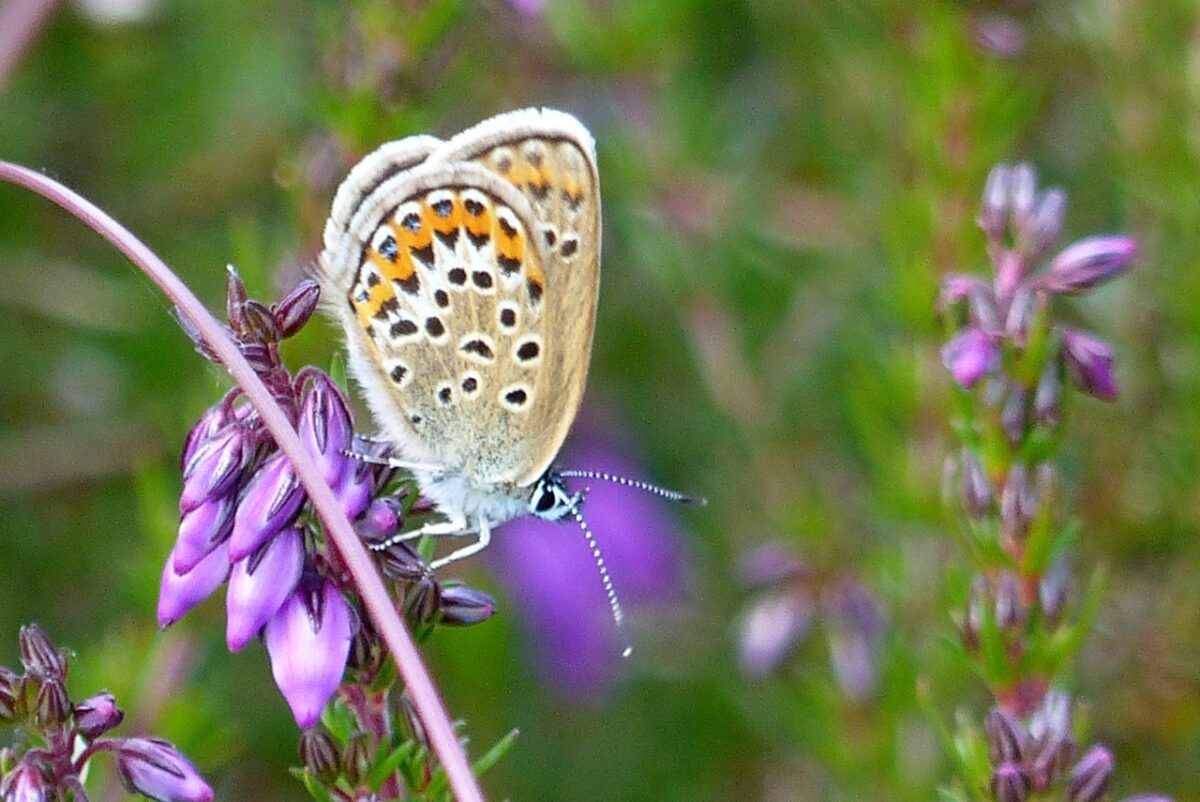
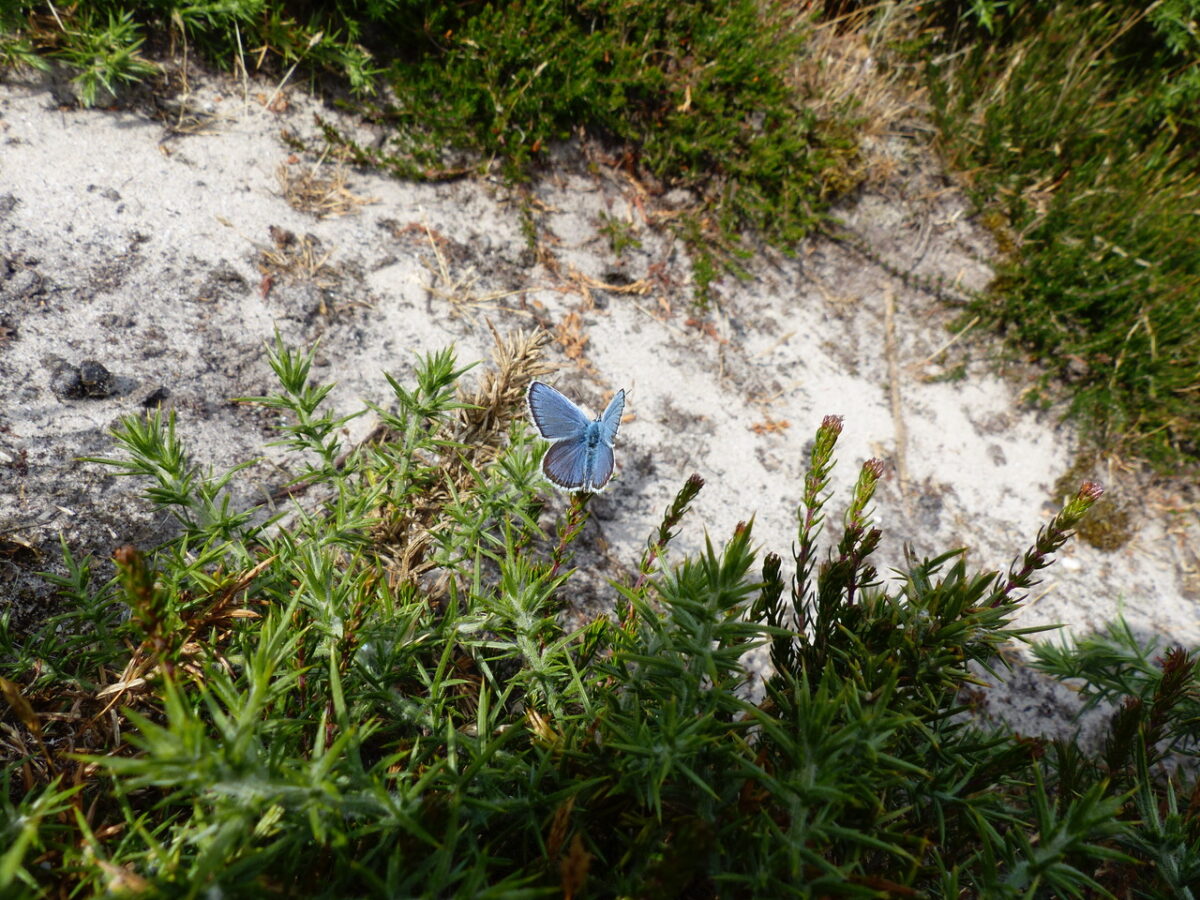
Butterflies have other ingenious survival tricks, too, and they need them. Suffolk has suffered terrible losses in its butterfly populations over the last century. The famous Suffolk entomologist, Claude Morley, writing in the 1920s, lamented even then that all we would soon see were ‘the plebs of the highways and hedges’, by which he meant the commoner kinds of whites, browns and blues. Since then many of these have gone from the county too, but one ‘pleb’ which is still just about surviving on Suffolk heathlands is Plebejus argus (‘small pleb with many eyes’), the silver-studded blue. This species has evolved a very clever alliance with ants. By day, the young caterpillars are shepherded to ant’s nests for protection from predators like birds, emerging at night to feed on the heathers. In return, the ants feast on the sugary secretions suppplied from glands on the caterpillars’ bodies. ‘Win-win’ – a happy symbiosis.
Silver-studded blue. Photo: Jeremy Mynott.
The silver-studded blue is so named from the brilliant pinheads of iridescent scales on the underside of its wings. I went to watch some of these little beauties recently on Hollesley Heath, fluttering about in a sunny spell. The spectacle lasted just an hour. The clouds closed in and the rains came again. But as the great Indian poet, Rabindranath Tagore noted, ‘The butterfly counts not in months but moments, and has time enough’.