Category: Fauna
starlings
19 Jul 2022
Various people have asked me about the dense flock of 'black' birds that keeps whooshing around in a tightly-packed formation, settling occasionally on the wires like something out of Hitchcock's The Birds. They're starlings, a mixed flock of adults and juveniles (the brown ones). Quite good to see them in fact since starling numbers in Britain have declined sharply in recent years.
Jeremy
Butterflies
16 Jul 2022
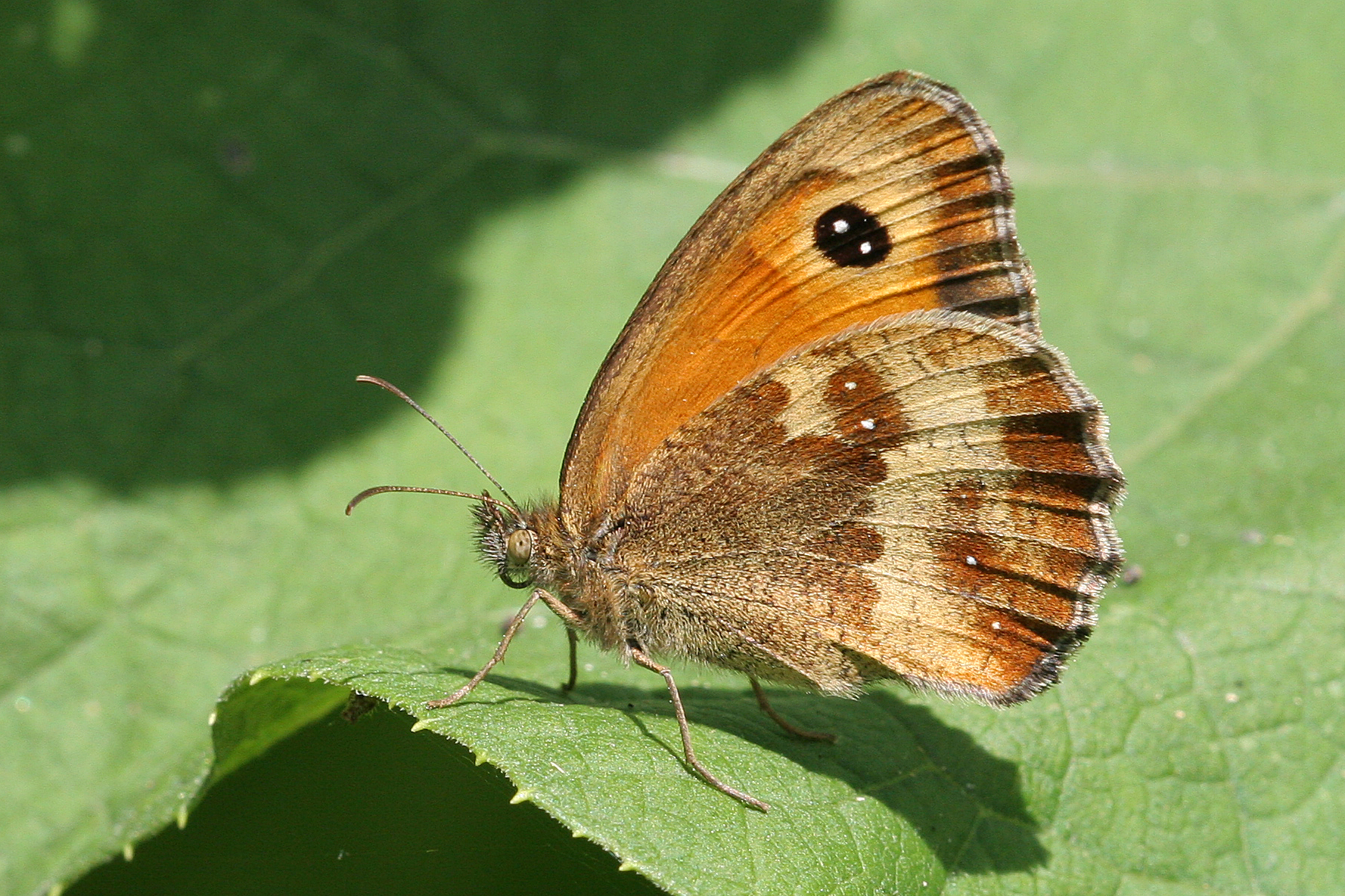
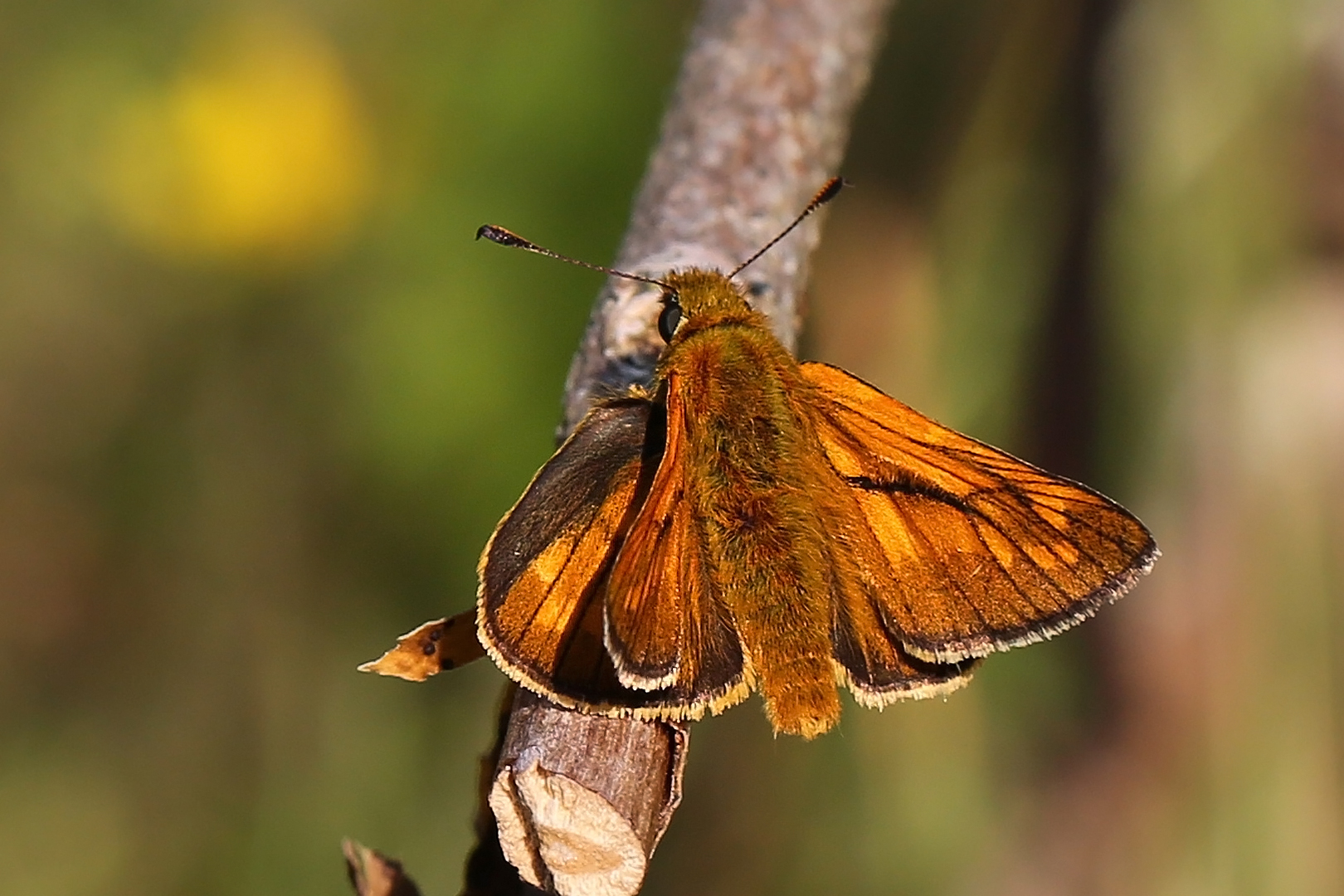
I spoke too soon (see last post). There was a sudden effusion of Gatekeepers today, small orangey brown butterflies with two tiny white dots in the eye-spot, quite distinct from the Meadow Browns.
Jeremy
butterflies
15 Jul 2022
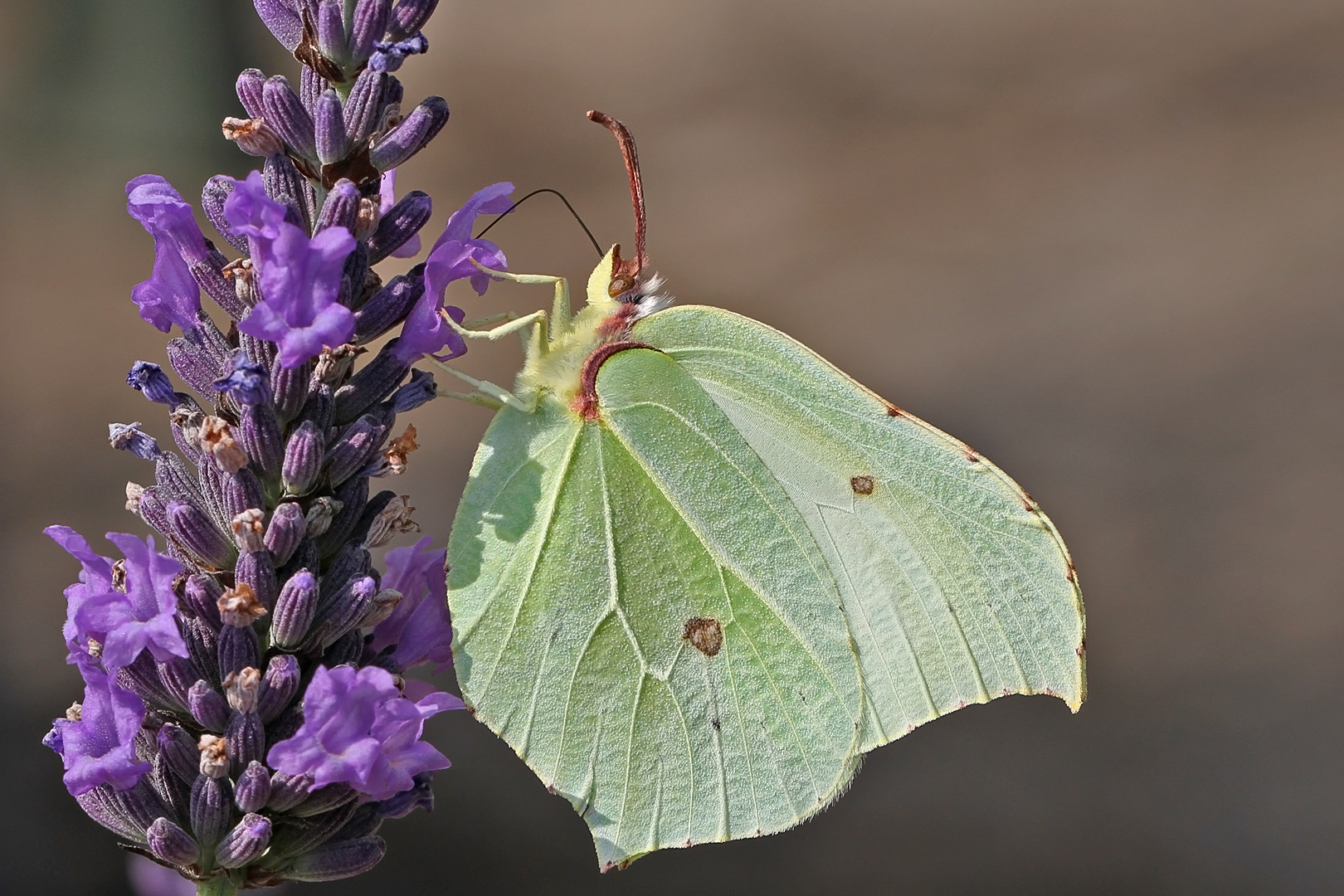
Fewer butterflies around than normal, I'm afraid. The buddleia is usually swarming with red admirals, peacocks, painted ladies and graylings by now. Maybe they'll come later with this southerly airstream bringing the extreme heat. Maybe ...
Jeremy
Oak Eggar
10 Jul 2022
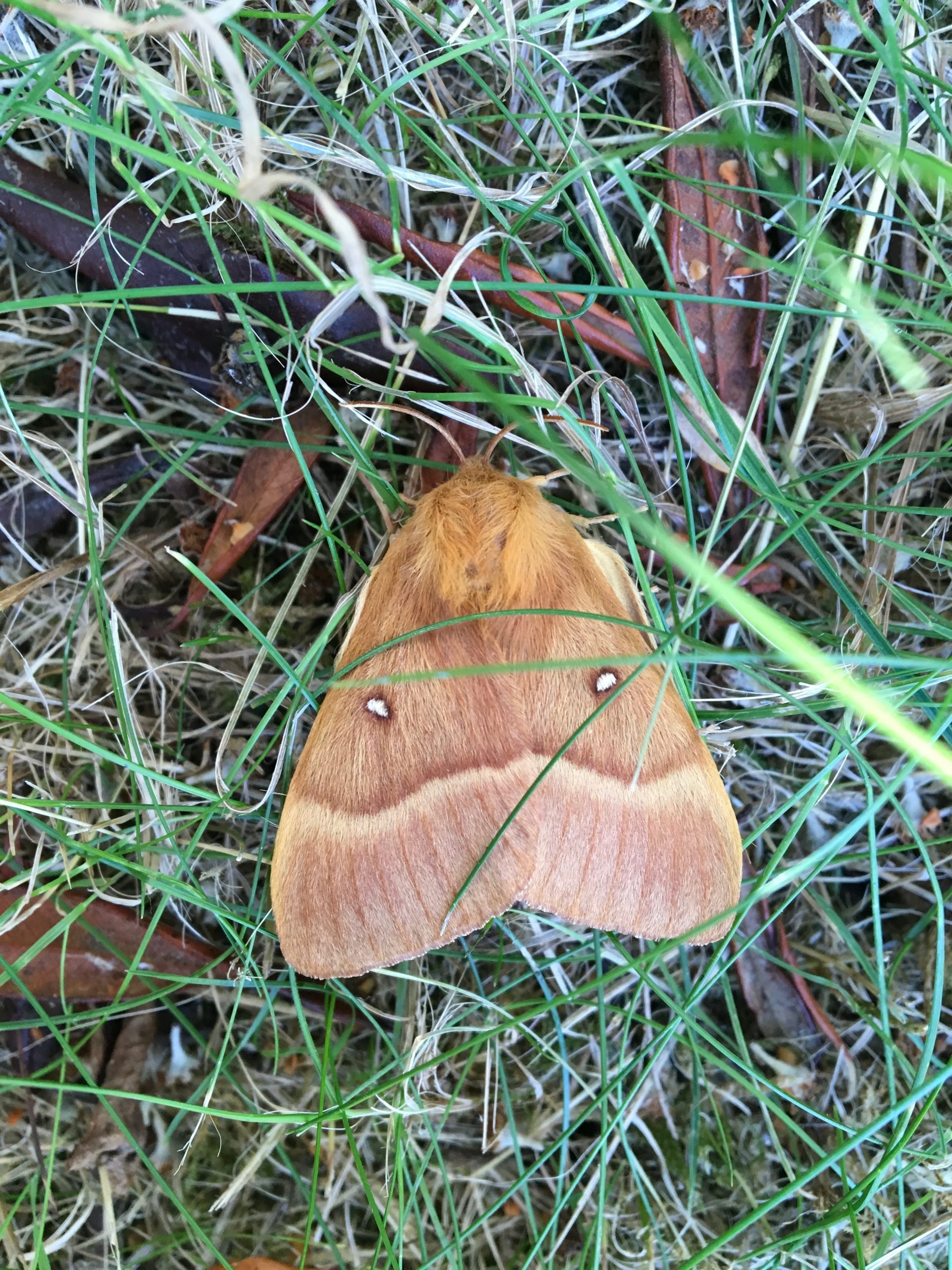
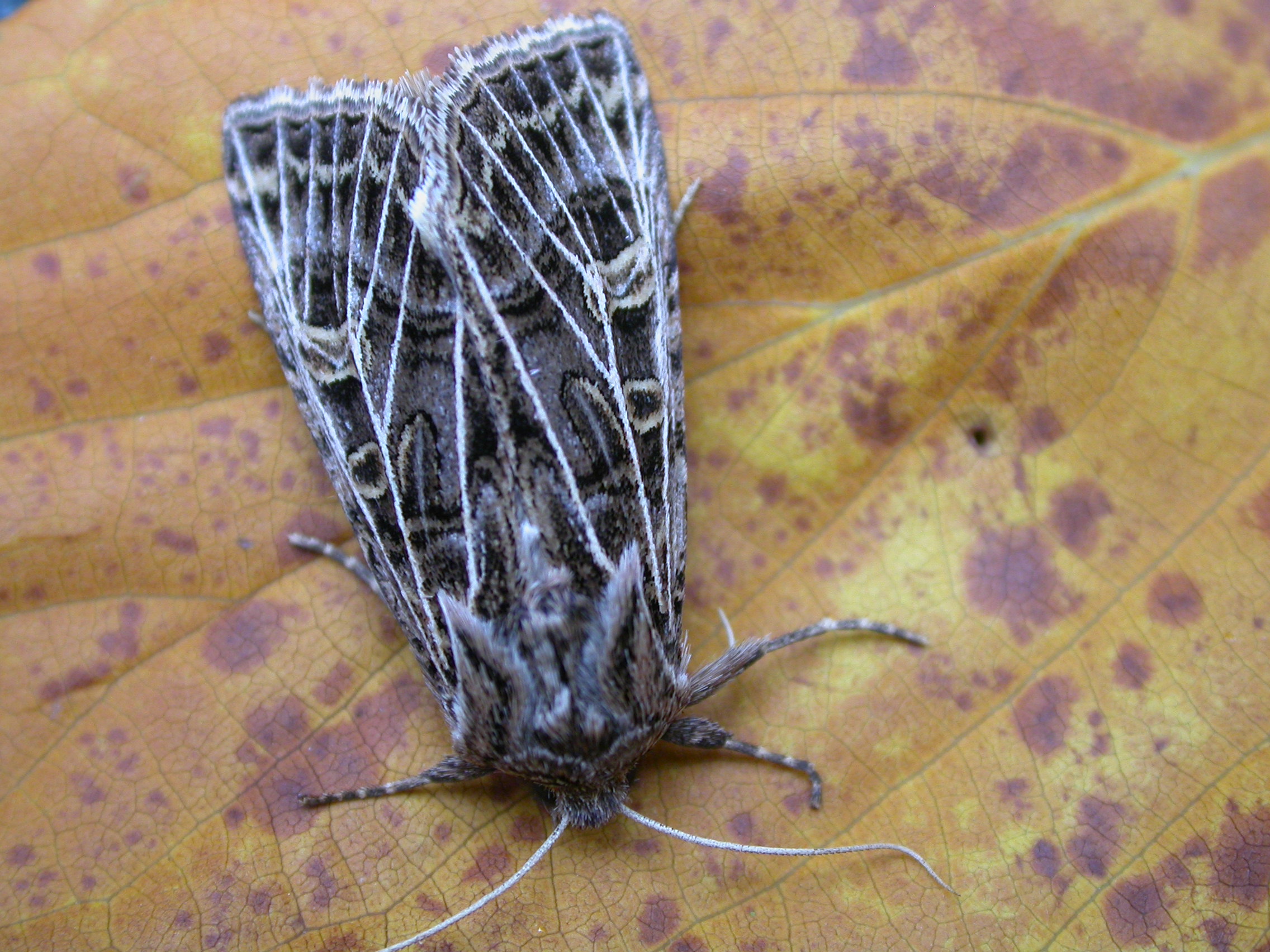
Two Oak Eggars in my moth trap – the first I've had in my garden. Large furry moths with a lovely buff colour, and I think they were females.
Jeremy M
signs of autumn
09 Jul 2022
Swallows on the wires and sand martins tracking South. Also two common sandpipers on the pools – post-breeding migrants from Scotland or the North of England probably.
Jeremy Mynott
Female marsh harrier
08 Jul 2022
Female marsh harrier hunting near Pumping Station.
First grayling butterflies of the summer have emerged in my garden.
Jeremy Mynott
Village Voices Nature Note: Time to Fly
I hardly left Suffolk during lockdown – well, why would you? But this May I finally ventured out as far as another lovely county, Dorset, to try and catch up with a local celebrity there. I went to Giant Hill above Cerne Abbas, where a huge naked male figure (very naked, very male) is inscribed into the chalk hillside. That area is now fenced off, I was told, because women had taken to sleeping within the outline of the mighty male member hoping thereby to get pregnant. But I was in any case more interested in the lower slopes, where one of Britain’s rarest butterflies, the Duke of Burgundy, might be performing its own mating rituals. The Duke was never common in Britain, but in the nineteenth century it could still be found in several ancient Suffolk woodlands, like those at Reydon, Bentley and Bradfield. The last confirmed Suffolk sighting was in 1973, since when nothing. It’s hanging on at Giant Hill, though, breeding in very small numbers on the scrubby grassland where its favourite foodplants, primroses and cowslips, flourish in glorious yellow profusion. The Dukes are tiny but very beautiful, just thumbnail size with orange-and-brown chequered wings. They are the only European representatives of the Metalmark family, so called because of the distinctive glittering spots on the underwings.
You have to be at just the right place and time to see a Duke of Burgundy nowadays. The time is a short window in mid-May, and this is one of the few places. You have to be in the right posture, too, which is on your hands and knees, peering around to catch sight of the male perched on a stem, from which it sallies forth in short bouncy flights, to drive other males off its little kingdom. Just think, you have the whole of southern Britain to choose from and you have to defend to the death your minute patch (maybe a parable coming on here). The weather wasn’t great. Butterflies need it to be at least 14° C to warm their bodies sufficiently to fly and it was a cool, blustery day, threatening rain. But the clouds parted briefly and there was a sudden pulse of warmth from the sun. Almost immediately butterflies appeared, as if from nowhere: peacocks, tortoiseshells, red admirals, small brown jobs like grizzled and dingy skippers, and at last … yes, a freshly minted Duke, clinging to a buttercup.
The vision lasted only a few minutes. The clouds closed in and the rain came. But as the great Indian poet, Rabindranath Tagore said, ‘The butterfly counts not in months but moments, and has time enough’.
Jeremy Mynott
7 June 2022
Village Voices Nature Note: a Local Success Story
I see that the Minsmere bird reserve is celebrating its 75th anniversary this year. Congratulations! It’s a haven for all kinds of wildlife, of course – some 6,000 different species at the last count – but its long history has been especially associated with one particular bird, the avocet, surely one of our most charismatic national species. Avocets are quite unmistakable. They’re tall, graceful wading birds, a picture of elegance with that pied black-and-white plumage – both bold and delicate at the same time, like fine porcelain. They have unusual upturned bills, which they swish from side to side, sifting the saline pools for small crustaceans and invertebrates, and they have those lovely long legs in an extraordinary shade of pale blue. Even the name sounds attractive. It’s derived from the Italian and sounds so much more elegant, as you might expect from the Italians, than the old English names of scoop-bill, clinker, yelper and barker. Avocets are impossible to miss if you are near a colony, since they keep up a chorus of soft fluting calls should you approach too close. In fact, if they think their chicks are threatened they can become quite aggressive and the avocets turn into exocets, dive-bombing the intruder.
Even if you’ve never seen a real avocet you must have seen an image of one, since they have long been the official RSPB logo and appear everywhere on their badges, signs and products. This was a very shrewd commercial choice by the RSPB, since not only are the birds beautiful to look at but they are also the perfect symbol of a great conservation success story. Avocets disappeared from Britain as a breeding species in the nineteenth century, as a consequence of human persecution and wetland drainage, but they miraculously reappeared in 1947 just after the end of the war, ironically returning to a habitat of flooded farmland and marshland which had been deliberately created as part of our coastal defences. They found their own way back to the Suffolk coast at two places: Minsmere, which is now the premier RSPB reserve in the country, and Havergate Island in the Ore estuary, where they bred successfully under conditions of high security (the RSPB even had a secret code name for the place – Zebra Island’). Since then avocets have spread along the East Anglian coast in suitable habitats, but they still need our protection in the breeding season, especially from uncontrolled dogs on the local seawalls – we had a tragic incident at Shingle Street a few years back. Let’s help preserve our avocets as a happy symbol of national recovery and regeneration – the return of a native.
Jeremy Mynott
11 May 2022
Recent Reports
28 Apr 2022
The booklet,
Knowing your Place: Wildlife in Shingle Street gives an introduction to the main wildlife habitats in Shingle Street and has at the back a complete list of all the birds, mammals, butterflies, moths, flowers, dragonflies, grasshoppers, spiders, crustaceans, insects and other categories of wildlife recorded here. The big
Biodiversity Survey has more detailed and technical information on these, too. In addition, there is a monthly ‘Nature Note’ in Village Voices, which forms a kind of running commentary on the seasonal year with other reflections on the local environment more generally. You can access a selection of these articles by calendar date
here.
Visitors are also encouraged to send us their their own sightings of interest by using the contact page
here.
Jeremy Mynott
Village Voices Nature Note: Despite Everything, Spring!
04 Mar 2022
I’m writing this on Friday 4 March. The forecast yesterday was for a mild night with a light southerly breeze and I felt something special might be about to happen, a little annual miracle that means more to me every passing year. So I went out at first light, senses flaring and on full alert. I only had to walk a short way before I heard it – a clear double refrain in the still morning air, chiff-chaff, chiff-chaff. Yes, I shouted, and punched the air like a demented football fan. The chiffchaff had returned – on exactly the same day as last year and even to the very same bushes. Magic!
The chiffchaff is just a tiny olive-green warbler, weighing no more than a 2p piece, but it’s always the first migrant to make the long journey back. I listen out for it eagerly every March and think of it surfing the green wave of spring that travels steadily north across Europe, bringing with it a new season of light, warmth and growth. Twenty years ago they would arrive here about 15 March and fifty years ago 31 March – that’s global warming for you, but the thrill has been the same each time.
This year is different in another way, though. It’s just as exciting to hear this herald of spring again, but it’s terribly poignant. The news from Ukraine is almost unbearable and other, human, migrants are streaming across Europe in despair. It will soon be the spring equinox, the moment in the year when night equals day and the forces of darkness and light are in equilibrium. That’s a perfect metaphor for this conjunction of destruction in the human world and rebirth and renewal in nature. I had the same feeling in March 2020 when the Covid pandemic first took a grip, right at the start of one of the best springs in living memory. The spring was unstoppable then and so it will be again this year, just as the tides will rise and fall every day, regardless of human disasters. And we can find hope, beauty and consolation in these natural rhythms, of which we are an integral part, if we respond to them fully. That’s not evading the bad news but counteracting it.
You can listen to the chiffchaff’s onomatopoeic song, if you just google chiffchaff song. Some old country names represent this as chip-chop, chit-chat, siff-siaff (Welsh) or tiuf-teuf (Irish); while the Dutch call it tjift-tjaf and the Germans zilp-zalp. Whatever the language, by the time you read this the chiffchaffs will have arrived all over Europe, with the promise of spring in their songs.
Jeremy Mynott